Draft - Whitenoise Studios
A Creative Toolkit
Back

A Creative Toolkit

Five Must-Have Resources Used by Whitenoise Head of Film - Michael Reynolds

The Inspiration

One of the best aspects of my job is the variety. Variety in clients, in the topics we cover, and in how we use video production to convey a story or message to a broad audience and achieve tangible results. Every project opens the door to a wide range of creative executions and approaches, both from a theoretical and practical point of view, that we as filmmakers need to think about and discuss before a shoot even begins.

It’s also why it’s so important for me to stay on top of current video trends, emerging technologies, and generally keep an open mind about how stories can be told. Below are five of the resources I use most often to stay creatively sharp in an ever-changing industry
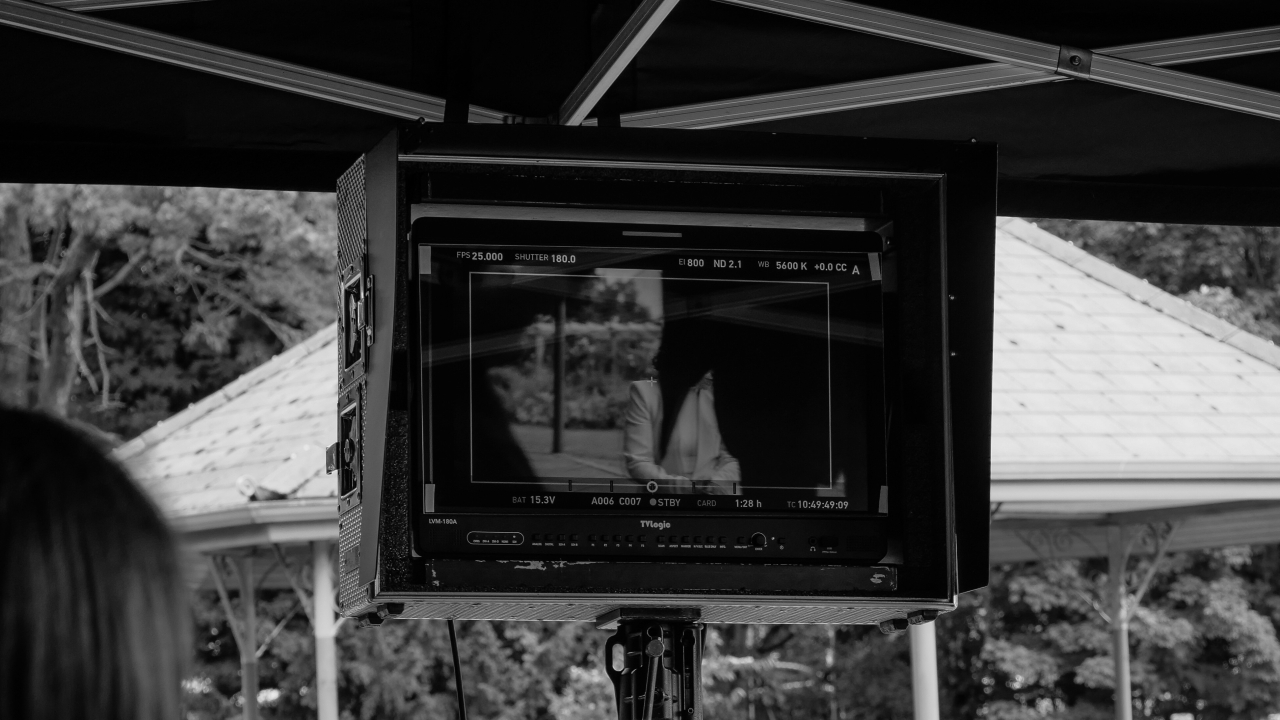
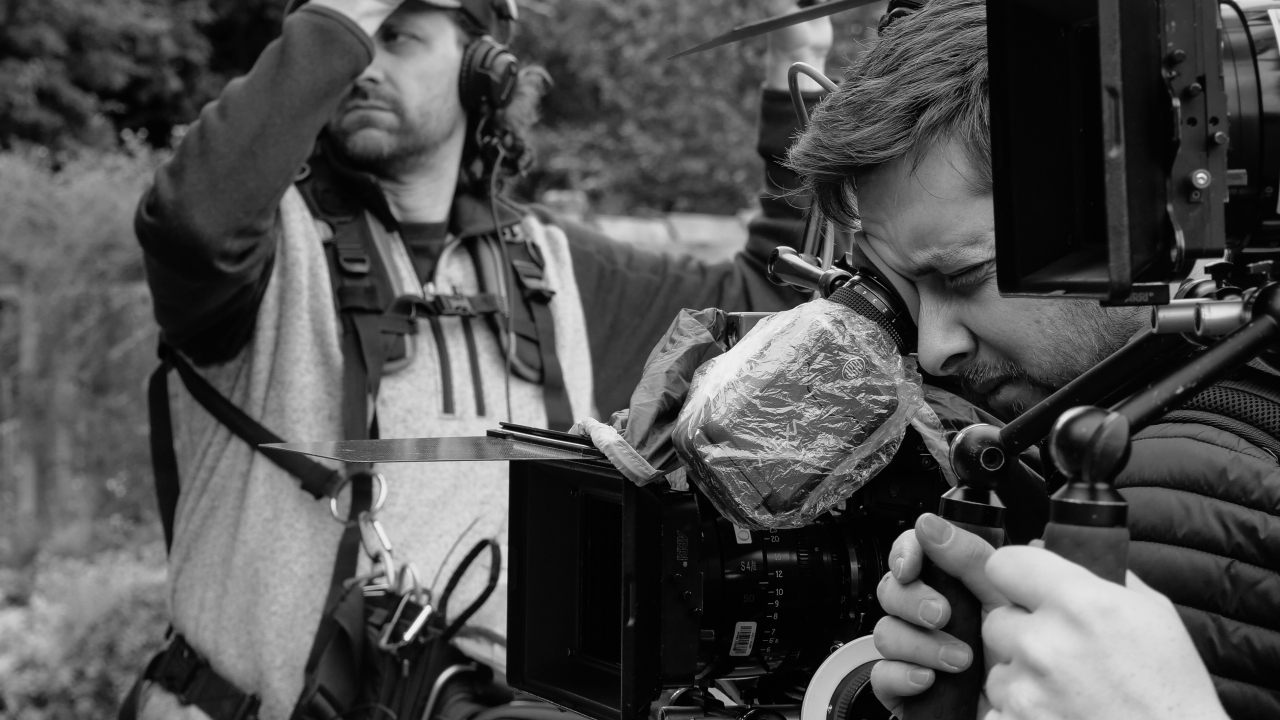
1. Social Media

I’m grouping this one together because there are so many platforms constantly popping up, but it’s incredibly important to stay on top of changing trends across all the major social media channels. What works on Instagram won’t necessarily connect with the core audience on LinkedIn, and vice versa.

When a client comes to us with an idea, or when we’re pitching video content ourselves, understanding the target audience is everything. That dictates which platform we target, what type of content we create, and how we shape the messaging. Because of that, it’s vital that we understand the strengths of each platform and what performs best within them.

Social media is also a great place to keep an eye on industry peers and see the work they’re producing. I’m a big believer that a rising tide lifts all boats, and the quality of work coming out of local UK and Irish production companies is better than ever. That genuinely inspires me and creates a healthy sense of competitiveness.

The video and film industry in Northern Ireland is especially small, and a lot of the owners and employees in other production companies are good friends of mine. So I love seeing them absolutely knock projects out of the park, but at the same time I’m thinking, “Right, I need to up my own game.”

P1087985 copy
P1088075 copy

2. YouTube and Vimeo

I didn’t come into video production through a dedicated university course. I studied Creative Multimedia, which included a video module, and then got lucky with a placement opportunity at a great two-man production company. That’s essentially how my career began.

Because of that, the majority of what I’ve learned over the years has come from a mixture of on-the-job experience, learning from peers, and of course platforms like YouTube and Vimeo.

Unfortunately, Vimeo has become a bit more difficult to use these days due to recent legislation, but YouTube remains an incredible resource for both technical knowledge and creative inspiration. Channels like CVP are brilliant for equipment updates and testing. They often get early access to new gear, and their content is knowledgeable, practical and easy to watch, even when they start getting deep into the technical side of camera equipment.

I also really enjoy photography channels such as Matt Day, The Art of Photography, and Grainy Days. Although photography sits adjacent to video, I find that consuming photography content feels refreshing because it’s more of a hobby for me. Learning about the artform doesn’t feel like work, yet it still sharpens my skills as a camera operator. It makes me think differently about lighting, composition and colour in ways that video-specific content sometimes doesn’t.

Alongside that, I keep up with several cinematography and filmmaking channels run by both established and upcoming DoPs who post breakdowns of their setups and workflows, either during productions or afterwards. There’s an endless amount of educational and informative content out there, no matter which area of video production you want to improve in.

P1076960

3. Podcasts

Podcasts are a fantastic resource for long-form content. Shows such as The Wandering DP and Team Deakins provide insights from some incredible industry professionals. While they generally approach discussions through a cinematography lens, you still gain valuable perspectives from all areas of production.

I find it fascinating hearing from people who genuinely live and breathe the industry. Whether they’re discussing decisions made during pre-production or problem-solving on set at the last minute, there’s always something useful to take away.

It’s interesting from a film lover’s perspective, but also hugely valuable from a practical standpoint. You pick up lessons you’d normally only get by sitting down for a coffee with someone who’s been in the industry for decades, things like managing a team as a head of department, navigating challenging situations on set, or getting the most out of limited budgets.

While the scale and budgets are often vastly different from the work I do day-to-day, the underlying lessons still apply across the board, and I’ve found a lot of value in those conversations.

P1087882
P1076997 copy

4. Websites

Websites such as NOWNESS, Director’s Library and Director’s Notes are brilliant for discovering work from the independent film scene. They’re real hotbeds of creativity and provide a platform for production companies and directors from all over the world to showcase their work to a captive audience. I’m particularly drawn to documentary filmmaking, it’s probably the area of production I enjoy working in the most and NOWNESS especially scratches that itch.

Another incredibly useful resource is ShotDeck. Sometimes I’ll find myself searching for a recent film or TV show I’ve watched just to study the finer details of a particular scene or shot. Being able to access stills from thousands of films, commercials and music videos is hugely valuable.

It’s also extremely useful from a practical pre-production standpoint. We often create mood boards for client pitches to help sell a particular visual style or feeling, and having access to such a huge image library makes that process far easier. The same applies when building storyboards. It does require a subscription, but personally I think it’s well worth it given how often I use it.

IMG 0314
IMG 7028

5. Local Cinema

Finally, the cinema. I’ve always loved the experience of going to the cinema, so it’s been great seeing the resurgence in support for local cinemas over recent years, particularly independent venues such as the Queen's Film Theatre and The Strand Arts Cinema in Belfast.

I grew up around the corner from The Strand, so it’s genuinely heartwarming to see it receiving the investment it needed and preparing to come back better than ever.

Some films are simply meant to be seen on the big screen. It’s rare for me to leave the cinema without obsessing over a brilliant story, an incredible character performance, or a stunning piece of cinematography for days afterwards while discussing it with friends.

I especially love when cinemas screen older films again. Last year I got to watch one of my all-time favourites, Terminator 2, in the cinema for the first time, and it was incredible to relive ont he big screen.

QFT also plays a huge role in the Belfast Film Festival every year, giving local filmmakers the opportunity to show their work on the big screen. I’ve been lucky enough to work on a few productions that screened at the festival, and there’s honestly nothing quite like seeing something you helped create projected on the big screen.

You also get the chance to watch locally made films and shorts that are still on the festival circuit and may not be publicly released for months, sometimes years. I always leave those events feeling energised, inspired, and buzzing to get back to creating the best work possible alongside talented people.

Creative tools are changing all the time, and it can be hard to know which ones are actually worth your time. Hopefully this guide has given you a few ideas to explore, whether you're looking to speed up your workflow, get inspired, or simply make the creative process a little easier. At the end of the day, the best tools are the ones that help you do your best work and enjoy doing it. Thanks for reading, and I hope you found something useful to take away.

Michael Reynolds
Head of Film Production, Whitenoise