Bringing Brands to Life - Whitenoise Studios
Bringing Brands to Life
Back

Bringing Brands to Life

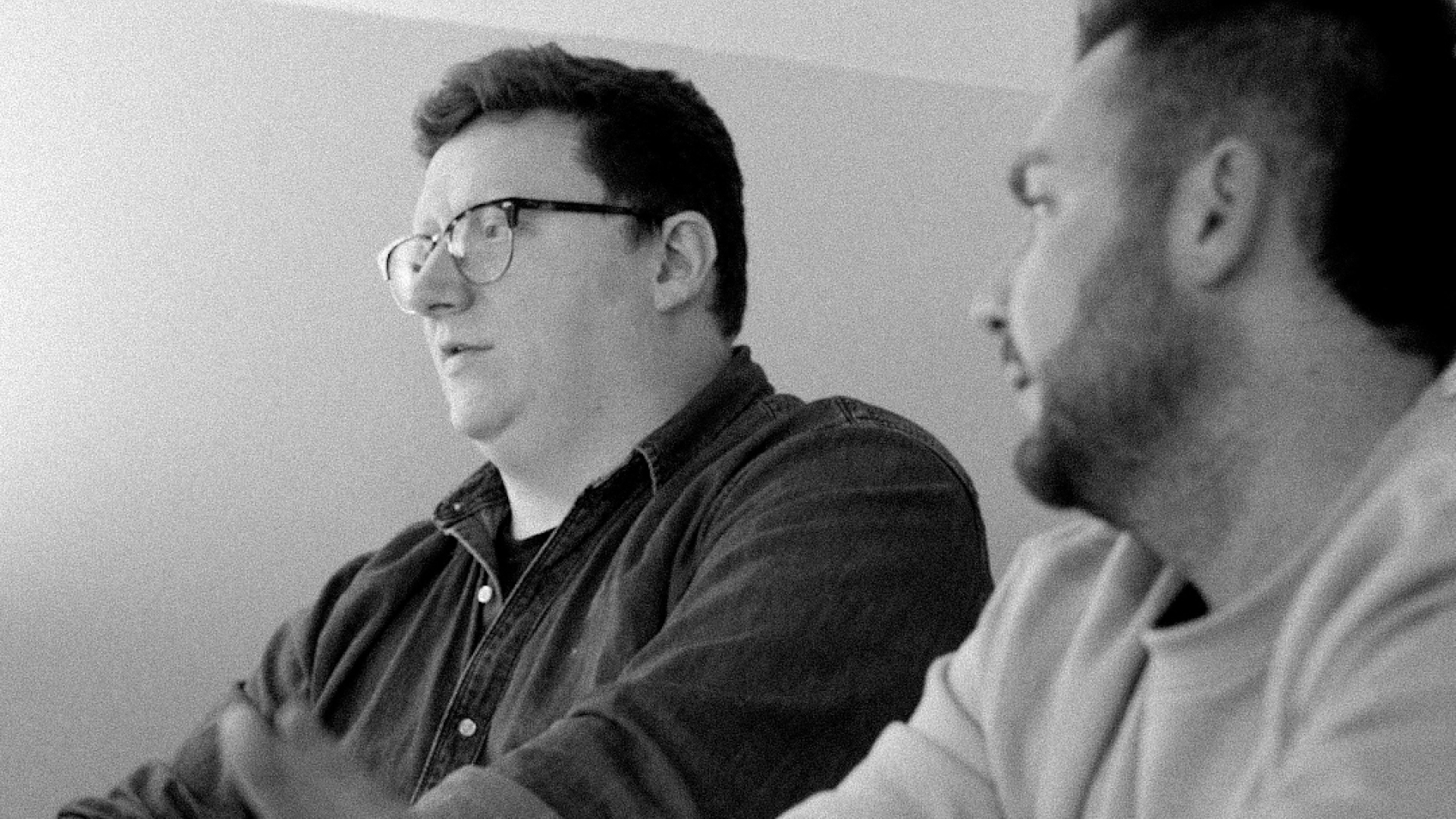
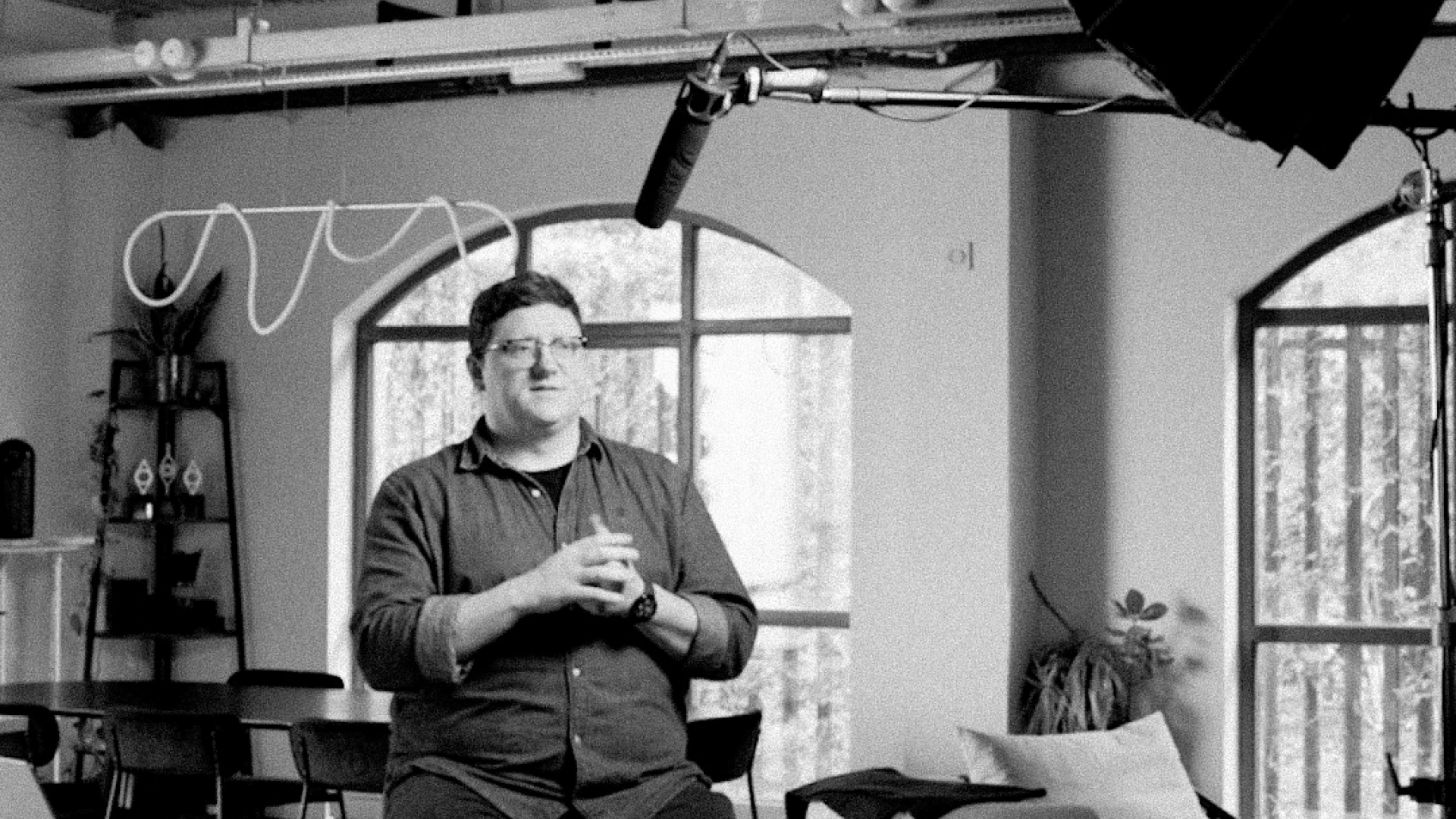
Corey Watson, Head of Brand, speaks on his career journey, tips for young designers and his process to build consistent brand experiences

What first pulled you into brand and design - was there a moment you knew this was your path?

There wasn’t a single defining moment that pulled me into brand and design; it was more a chain of events.

I was very much the 'I don’t know what I want to do with my life’ kind of kid. I remember arguing with my careers advisor about taking a year out instead of going straight to university. In the end, I was encouraged to apply anyway, just in case I changed my mind, but I had no intention of going. I didn’t want to commit to a course, and the debt that comes with it, without being sure I’d actually enjoy it, so I gave myself a year to figure things out.

During that year, I worked at my church as a youth worker. I’d always had a heart for working with young people and, at the time, I thought that might be where my future was heading. But because I was the 'computer-savvy’ one on the team, I naturally ended up creating a lot of the visuals, including leaflets, screen graphics and social media content for the youth department. It was something I fell into, but quickly realised I really enjoyed.

At school, I’d never considered myself creative in the traditional sense. I wasn’t particularly good at drawing; in fact, my art teacher advised me not to take it for GCSE. Pen and paper just weren’t my thing. But during that year out, I discovered that creativity didn’t have to look like that. I could be creative with a mouse and keyboard instead.

The church also had a large volunteer media team, including a few professional graphic designers, and they were incredibly generous in encouraging and mentoring me in those early stages. That support made a big difference.

From there, I applied to study graphic design at university, and the rest is history.

Looking back, what really drew me into design was the ability to communicate, sometimes something obvious and sometimes something subtle, through visuals. I loved thinking about the audience and how to tailor a message specifically for them through design. Even now, seeing something I’ve created out in the world still feels a bit surreal. There’s something really rewarding about watching clients and their customers interact with work that started as just an idea on a screen.
What’s something you learned early on that completely changed your approach to design?

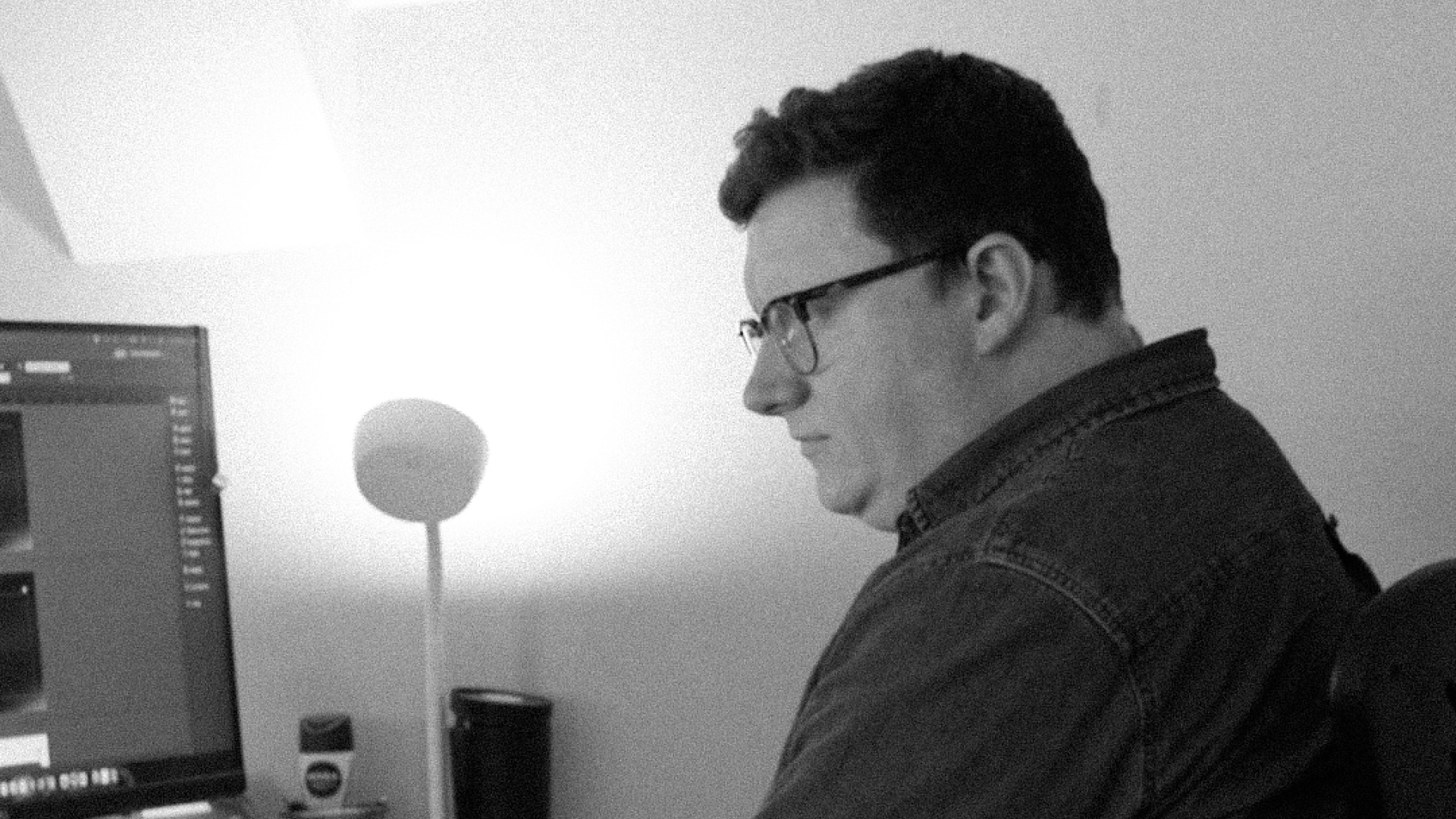
One of the most valuable things I learned early on was the importance of pausing.

At the start of my career, especially during university, I had a habit of diving in headfirst and running with the first idea that came to mind. I’d go straight onto the computer and start designing without really thinking things through. It felt productive in the moment, but more often than not it meant I was building on an idea that hadn’t been properly tested.

The problem with that approach is that if your initial idea isn’t well developed or lacks a clear rationale, you can quickly find yourself stuck when it doesn’t quite work. You end up trying to force something into shape rather than stepping back and asking whether it was the right direction in the first place.

Learning to pause changed everything. Taking time to properly understand the brief, research the context and think more broadly about possible directions gave me a much stronger foundation to work from. It allowed me to approach projects more strategically rather than just creatively.

Now, I make a conscious effort to explore a range of ideas early on. I sketch things out, consider different angles and give myself multiple avenues to go down. That flexibility not only makes the design process smoother, but it also leads to stronger, more thoughtful outcomes.

That small shift, from rushing in to slowing down, has had a lasting impact on how I approach every project. It’s a reminder that good design doesn’t just come from doing more, but from thinking better at the right time.

Corey Meet the Team Video 3 00 00 09 20 Still001

What does your creative process typically look like from brief to final delivery?

My creative process usually starts with fully understanding the brief.

I’ll read it through a few times, highlighting and underlining key points to make sure nothing is missed. From there, I often rewrite the brief in my own words. It’s a simple step, but it helps clarify the objectives and ensures I’ve interpreted everything correctly. In some cases, we’ll even share that back with the client to make sure we’re aligned before any design work begins.

Once the brief is signed off, I move into research. Depending on the project, that might involve looking at competitors or exploring adjacent industries to get a sense of what’s out there. It’s important to understand the landscape and identify opportunities to do something different or more effective.

After that, I’ll start capturing initial ideas. Nothing too polished at this stage, just getting thoughts down and exploring different directions before bringing them to the team.

Collaboration is a huge part of our process and it’s probably my favourite stage. We’ll come together to share ideas, challenge each other and build on what’s there. Where some studios might take a more individual approach, we really value working together and bouncing ideas around, as it almost always leads to stronger outcomes.

Once we’ve developed one or more solid concepts, we’ll refine them and build a presentation to walk the client through our thinking and rationale.

From there, it’s about responding to feedback, making any necessary refinements and working towards final sign-off. Once everything is approved, we deliver the agreed assets in line with the original scope.

It’s a process that balances structure with flexibility. Ultimately, it’s all about collaboration, clarity and creating something that works.

Corey Meet the Team Video 4 00 00 09 03 Still001
Visual style

I think one of the biggest places businesses go wrong when building their brand is a lack of consistency. Not using the correct colours, fonts, imagery or overall visual style might seem like a small thing, but it can be incredibly damaging. Consistency is what makes a brand recognisable and, without it, everything starts to feel disconnected.

Building familiarity

There’s often a fear that sticking ‘on brand’ will feel boring or repetitive. But the reality is that while you’re living and breathing your brand every day, your customers aren’t. They’re only seeing small touchpoints here and there, so repetition isn’t a weakness; it’s what builds familiarity.

Brand consistency

Consistency is what creates trust. It signals reliability and professionalism and, over time, it helps people feel more confident in your business.It’s also important to remember that a brand is much more than just a logo. It’s how people feel when they interact with you, whether that’s through your website, your social media, your marketing or even the person answering the phone. Brand consistency goes beyond visuals. It’s your tone of voice, your messaging and your customer experience, all working together to create a clear and cohesive impression.

Corey Meet the Team Video 3 00 00 21 10 Still002

As a designer, your role is to solve problems, not just follow instructions

Corey Watson
Corey Meet the Team Video 6 00 01 30 15 Still005

If you could give a piece of advice to young designers starting out, what would it be?

  1. If I had to give one piece of advice to young designers starting out, it would be this: ask questions. Then ask more. And when you think you’ve asked enough, ask again.  Asking questions is one of the fastest ways to learn, especially from people who’ve been in the industry longer than you. Looking back, I’d say I learned more during my placement year than I did throughout most of university, and a big part of that was simply being curious and willing to ask.                                                                                                                                         
  2. Don’t be afraid to take risks with your work either. Sometimes doing exactly what’s asked isn’t always the best solution. As a designer, your role is to solve problems, not just follow instructions. Understand the boundaries of the brief, but don’t be afraid to push them where it makes sense. That’s often where the most interesting and effective ideas come from.                                                                                                                                                     

3.   And, finally, get comfortable with making mistakes. They’re inevitable and one of the most valuable ways to learn. A good employer will understand that, especially early in your career. The key is to take responsibility, learn from what went wrong and not make the same mistake twice.

If you stay curious, take risks and learn from your mistakes, you’ll grow far quicker than trying to get everything right the first time.

We hope you enjoyed this interview with Whitenoise Head of Brand, Corey Watson. If you are iterested in collaborating with Corey and the Whitenoise team, connect with us over email at info@whitenoisestudios.com.