Whitenoise creates second edition of Pilgrims Chef's Table Food Trends Magazine - Whitenoise Studios
At the Chef's Table
Back

At the Chef's Table

Serving Up An Evolving Culinary Story For Pilgrim’s Europe

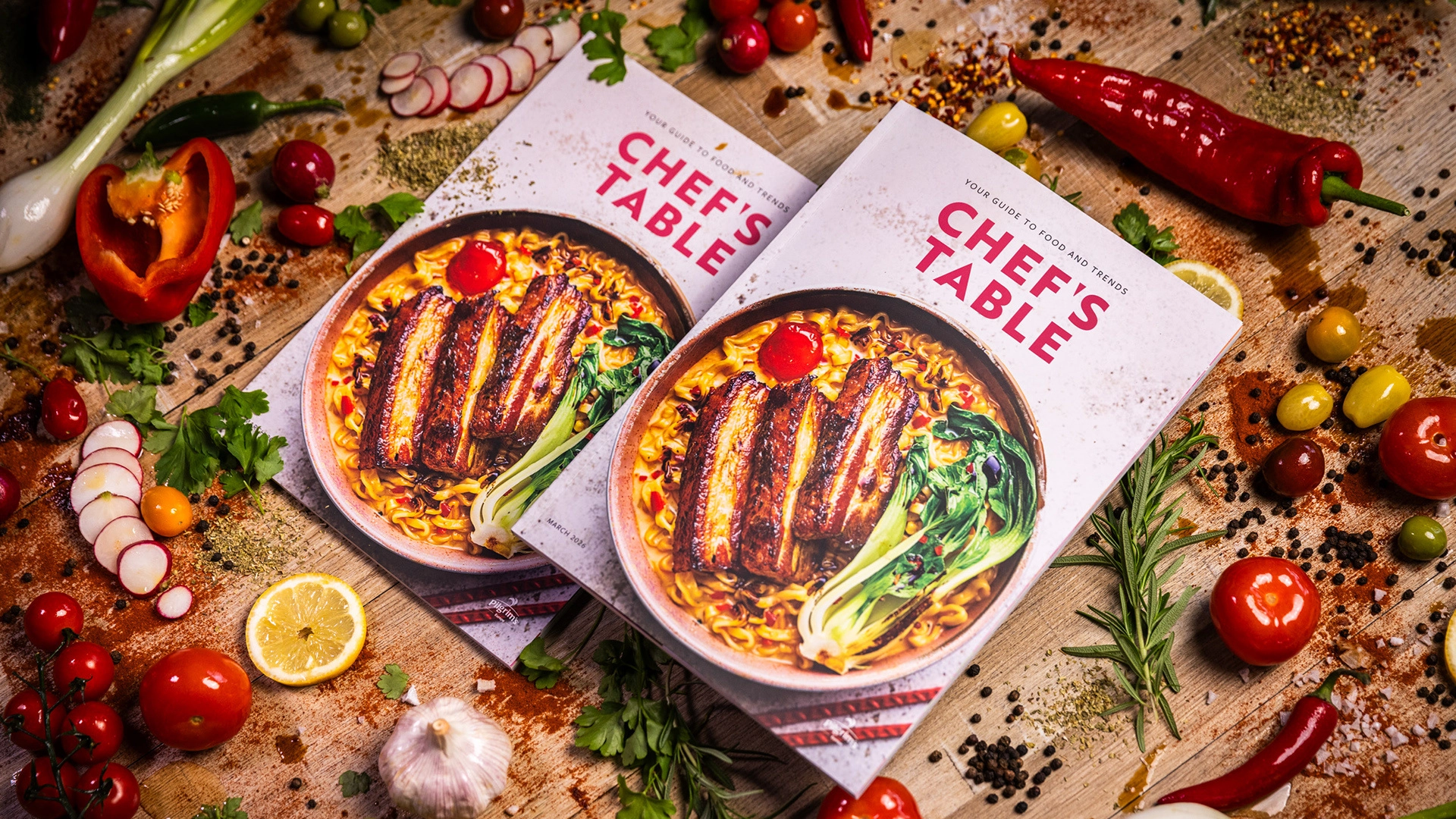
Whitenoise has partnered once again with Pilgrim’s Europe to deliver the second edition of Chef’s Table - a reimagined culinary magazine that reflects the brand’s continued evolution into a more premium, festive-led food offering.

Building on the foundations of Hatch Magazine, originally launched in 2022 to showcase Moy Park’s development expertise and wider food strategy, this latest issue marks a confident step forward for Pilgrim’s Europe. The publication has matured into a more expressive, increasingly high-end editorial platform - one that not only communicates capability but celebrates craft, creativity, and occasion-led dining.

Life in full flavour

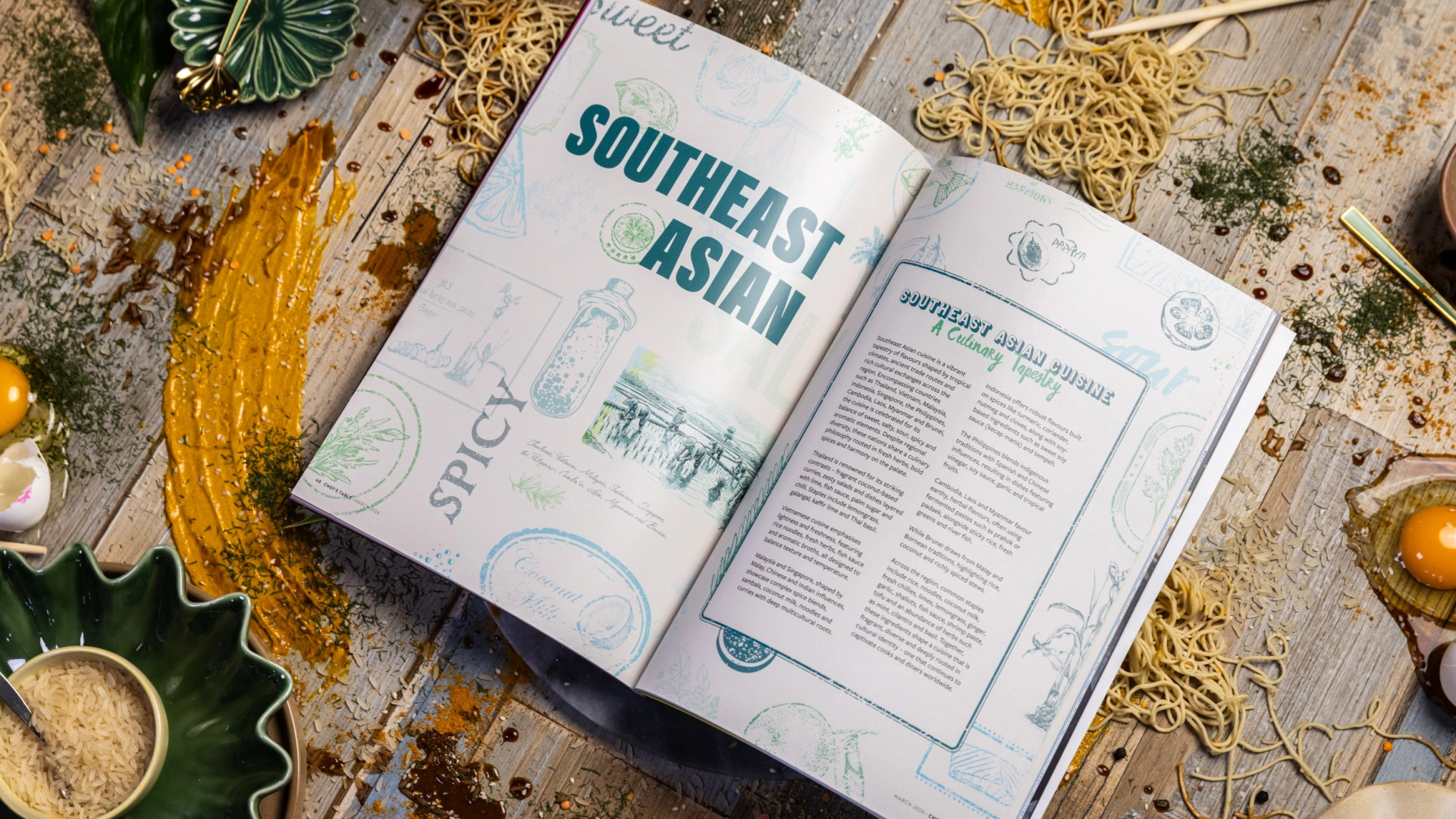
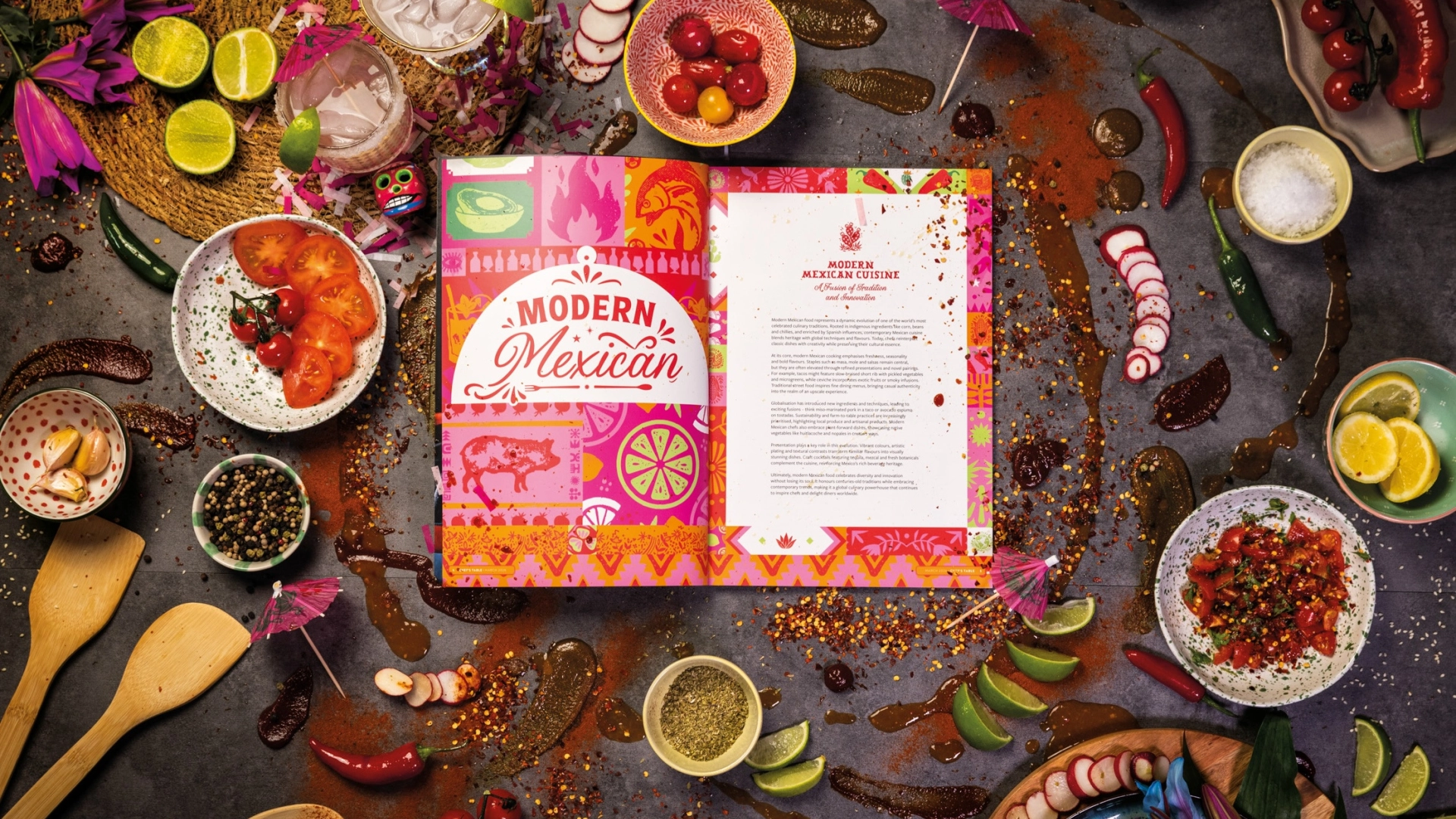
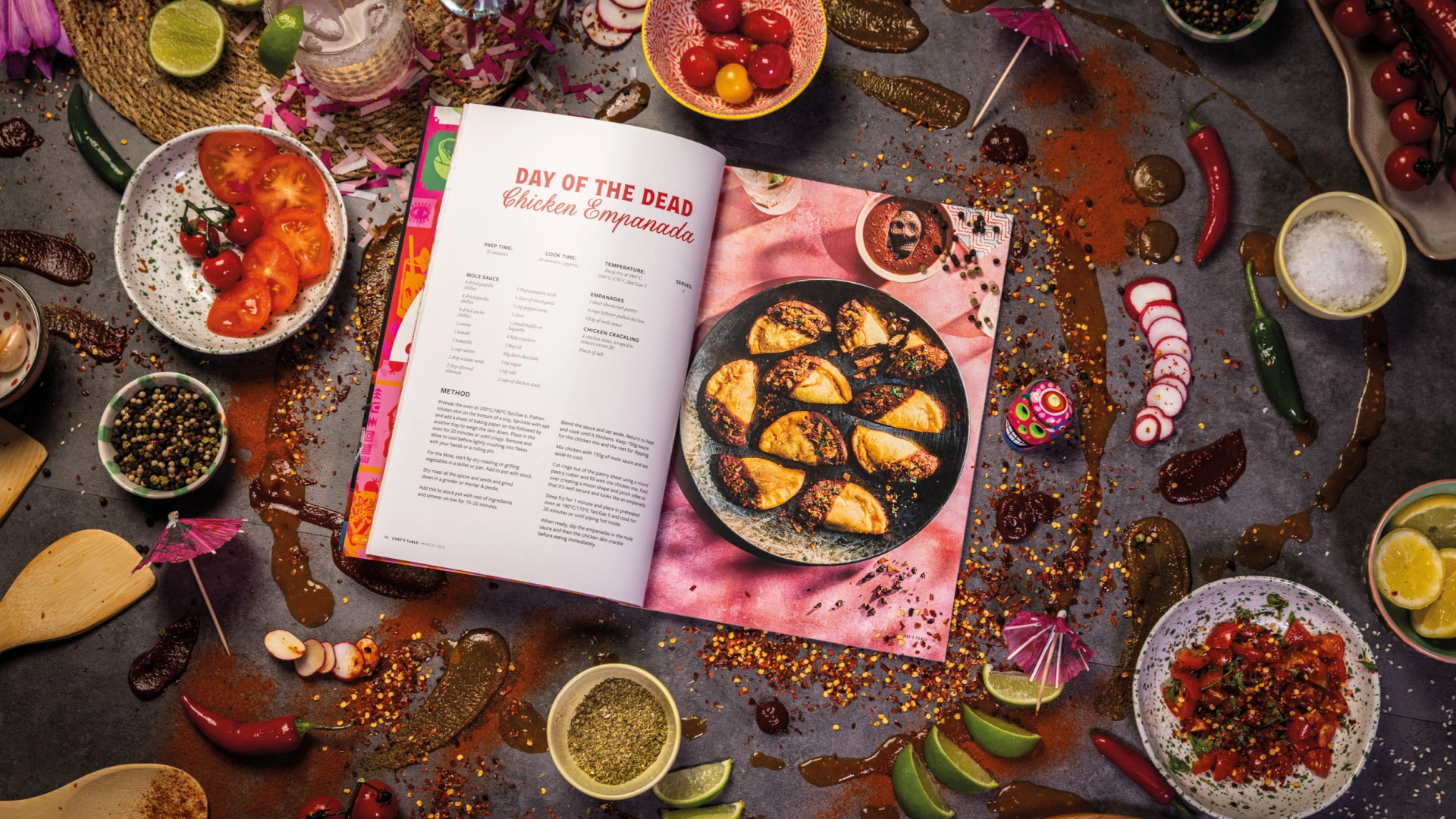
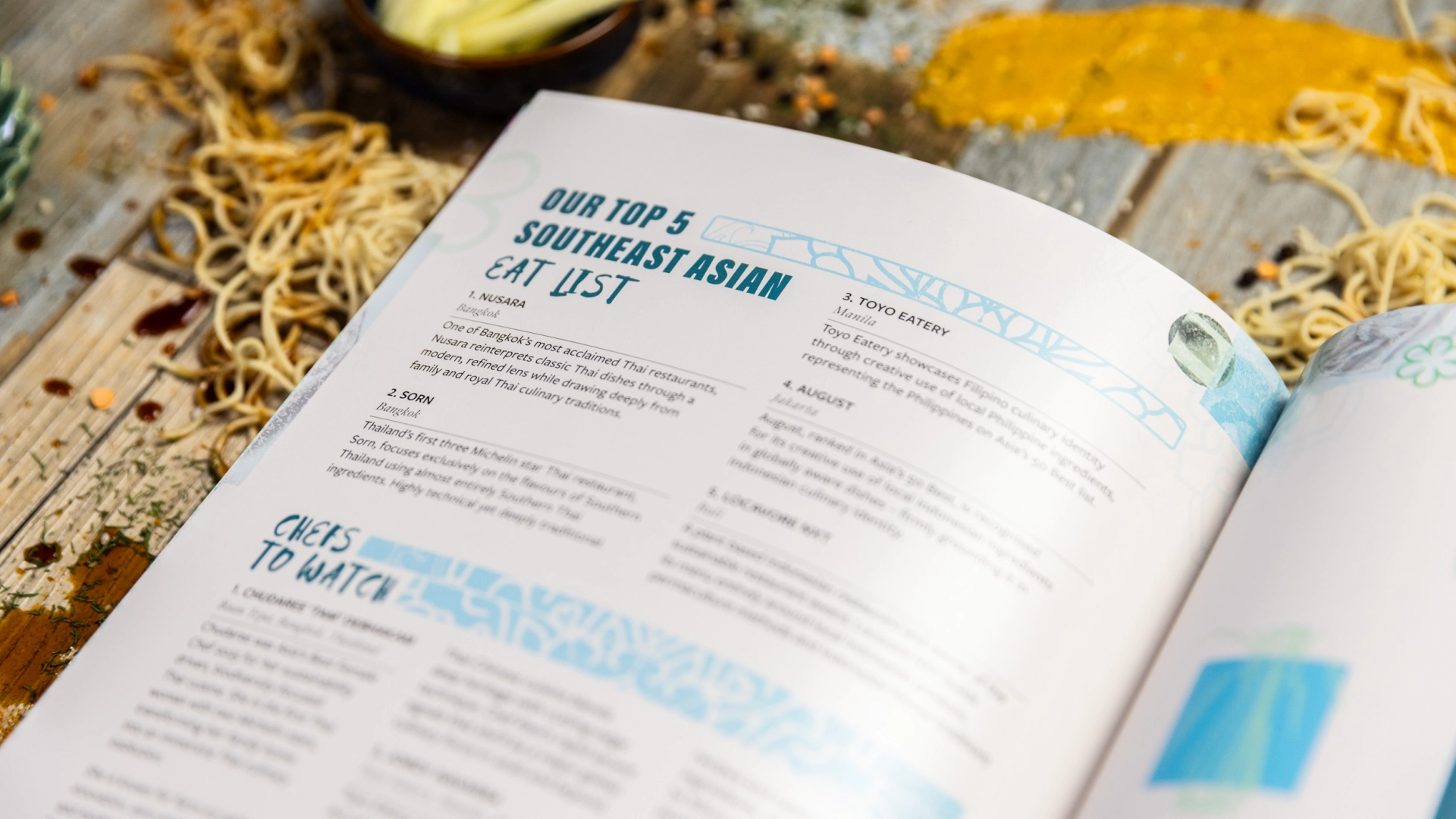
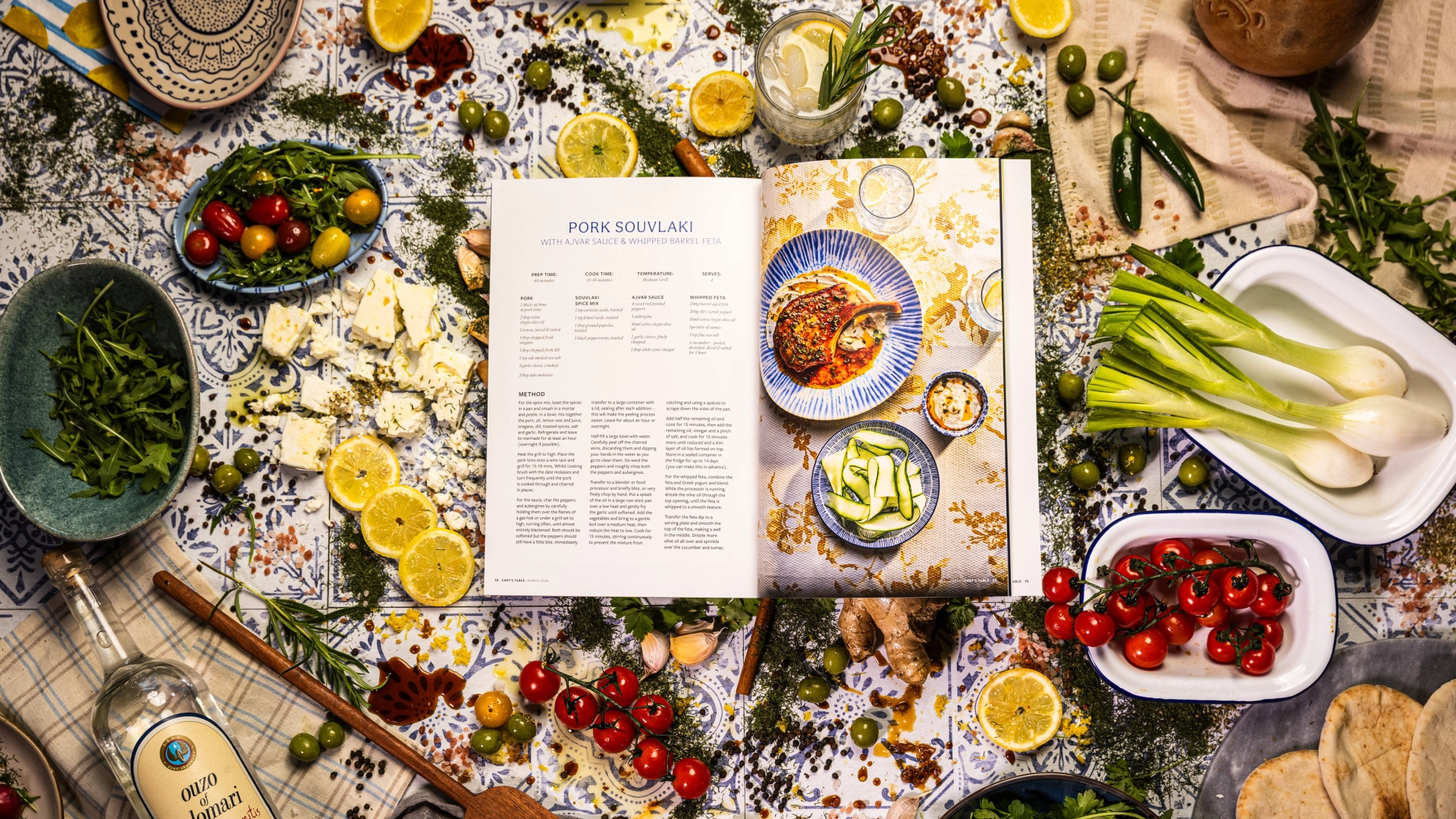
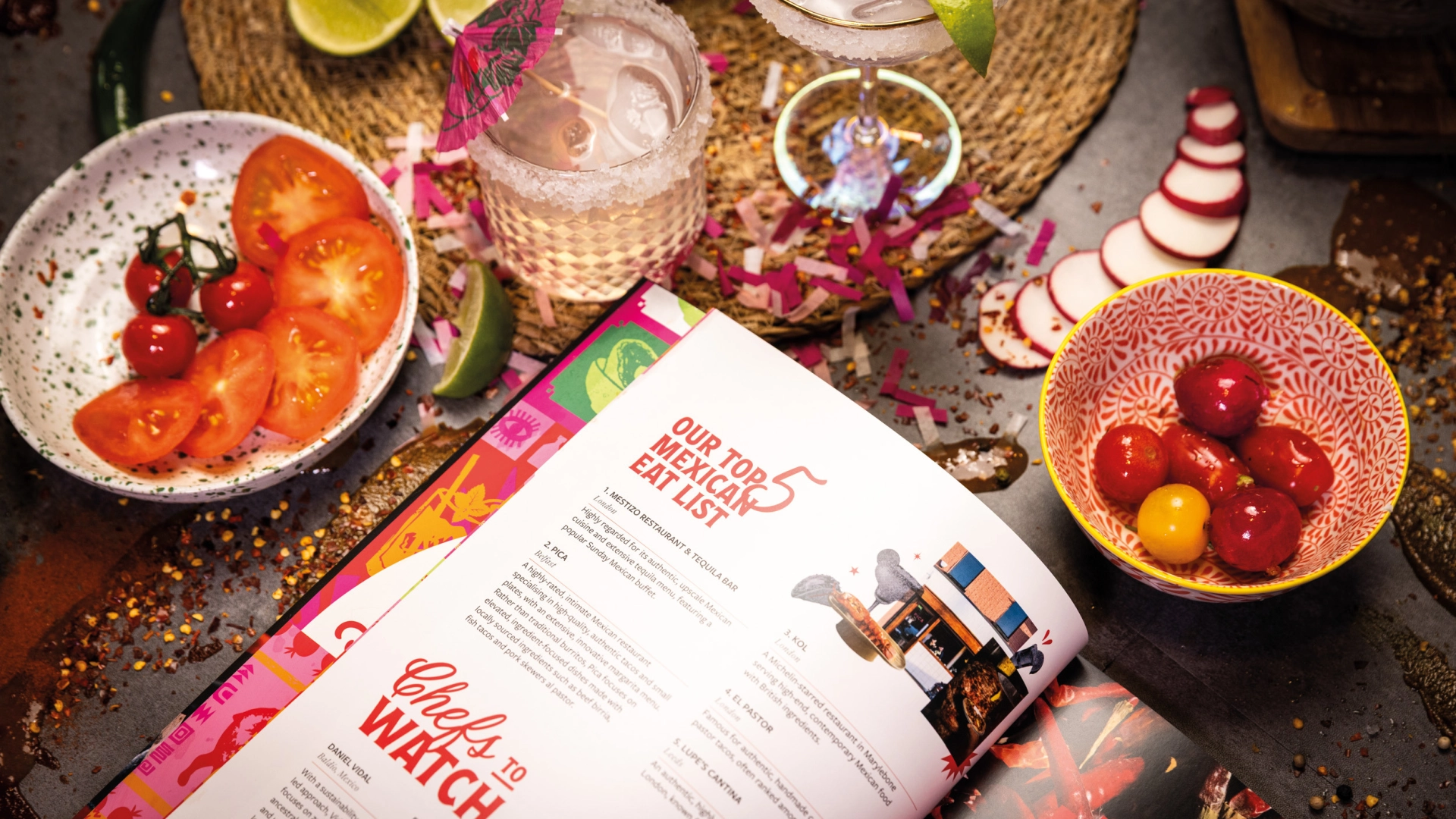
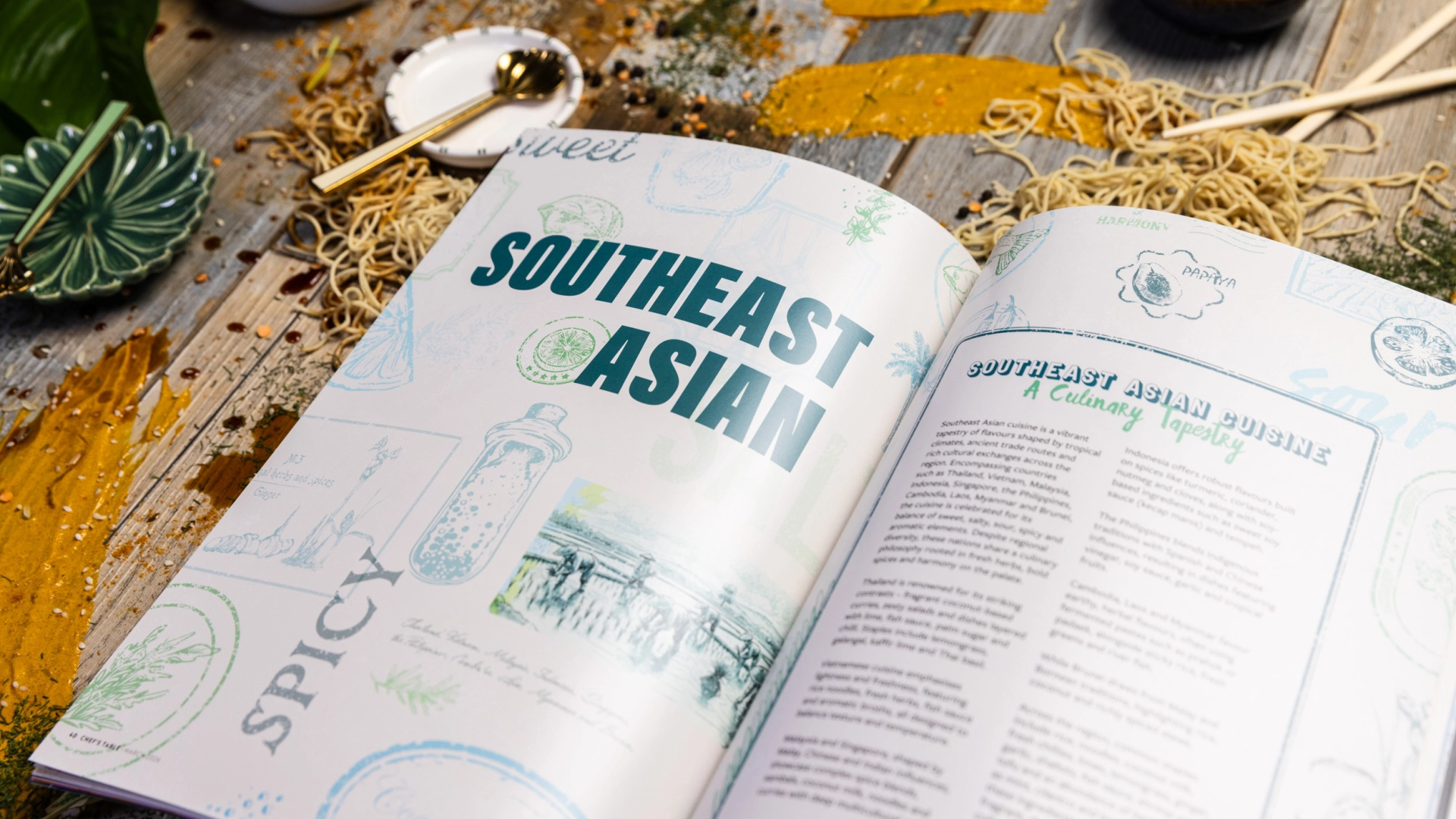
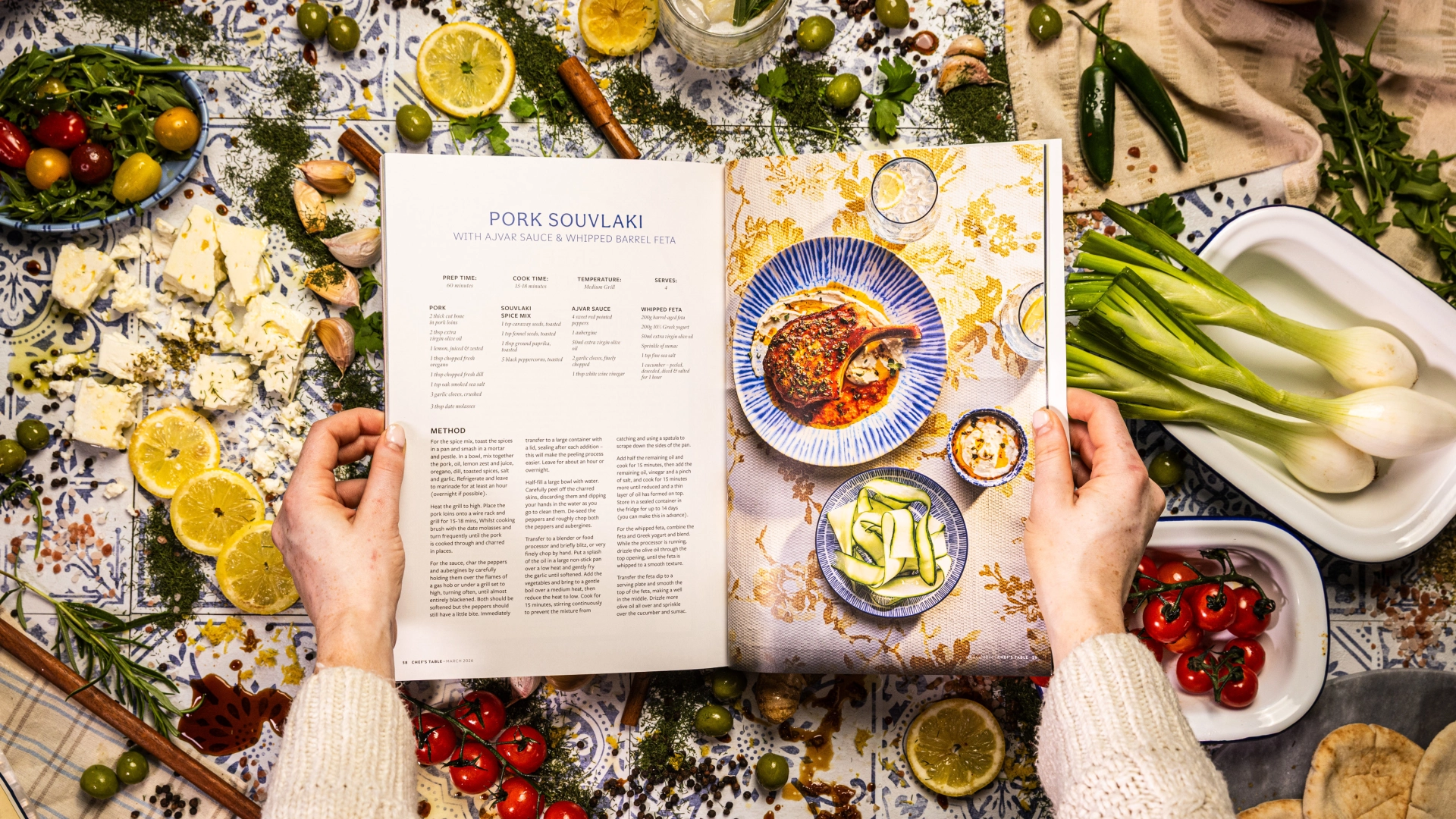
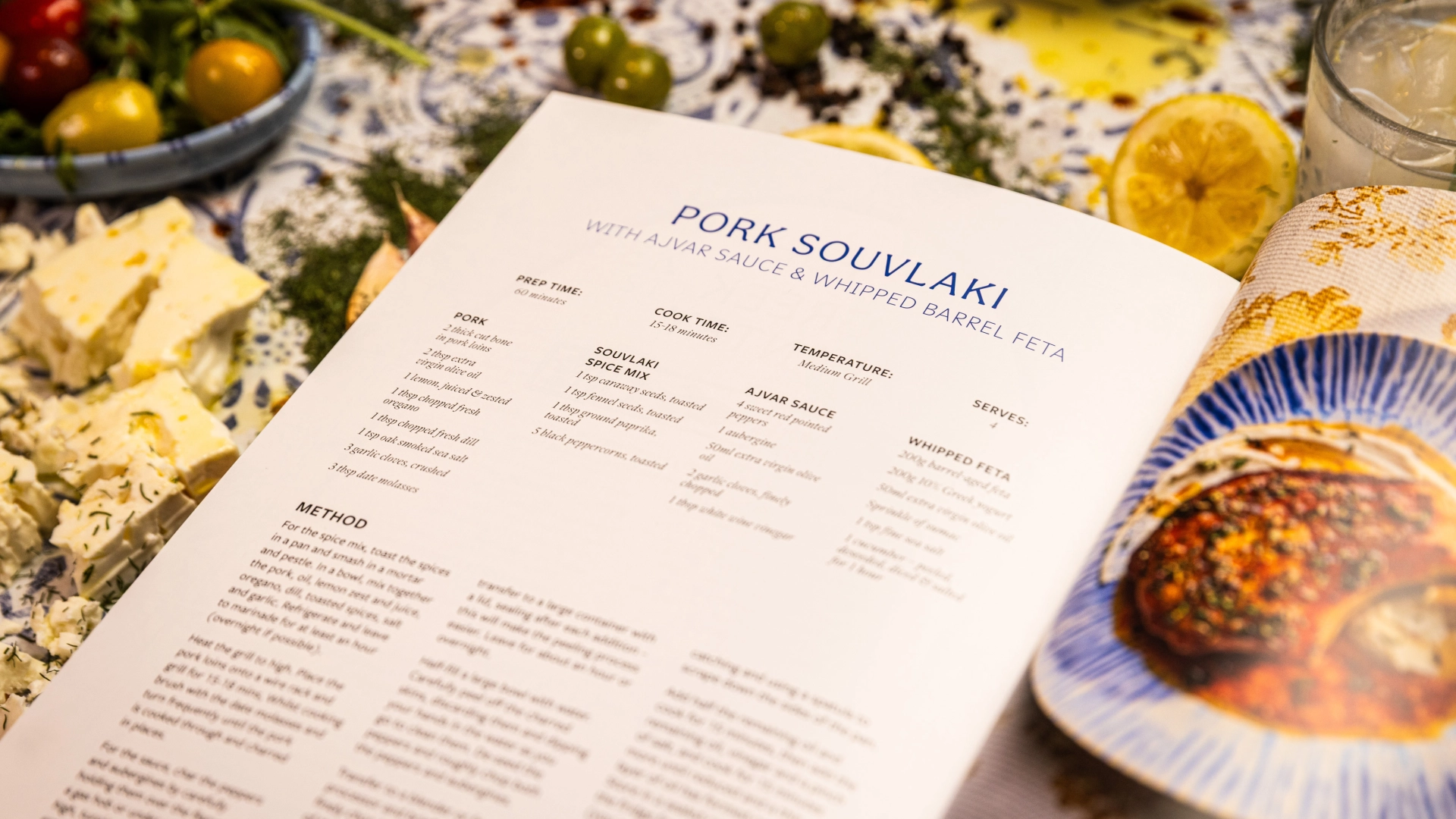
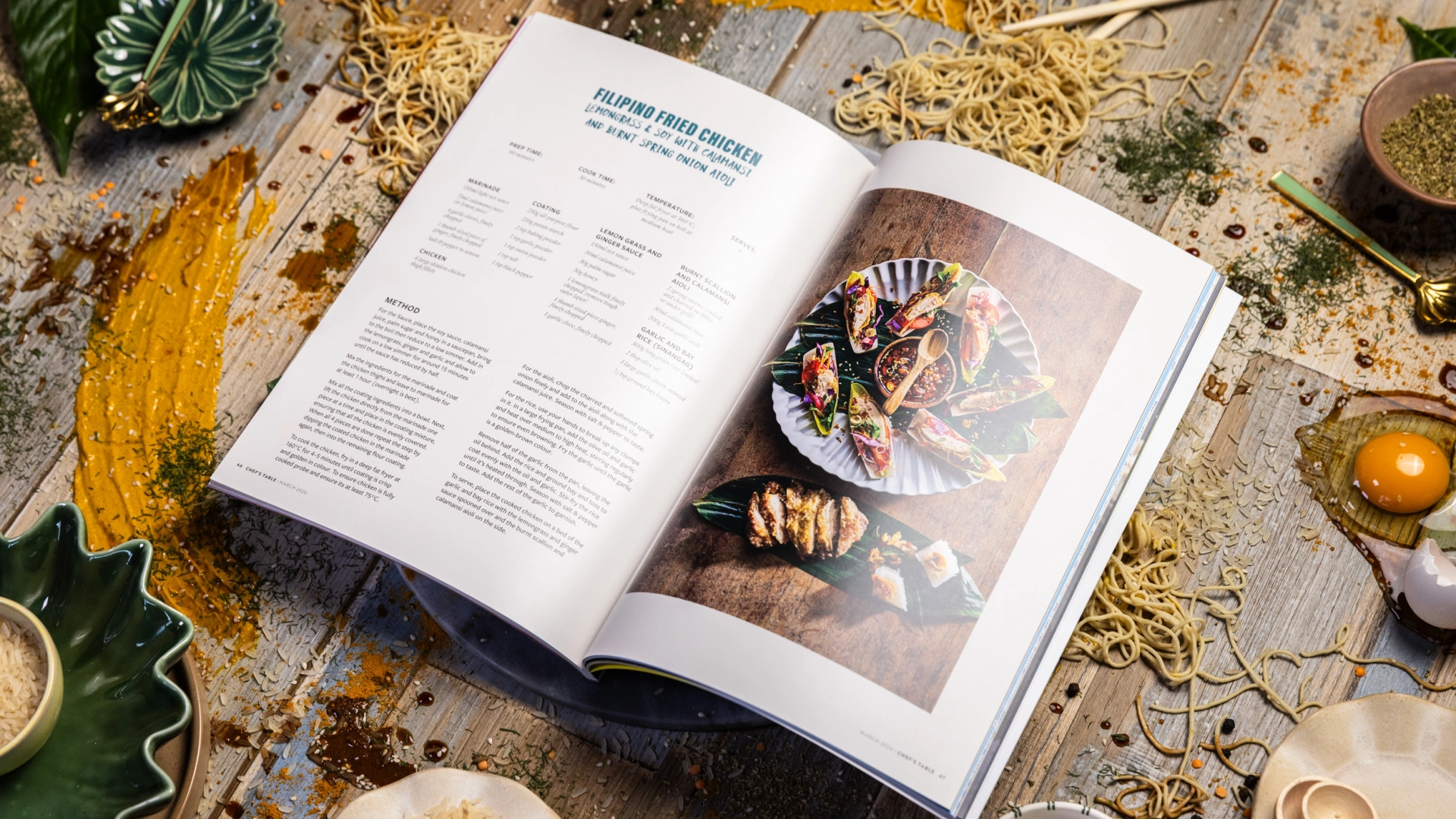
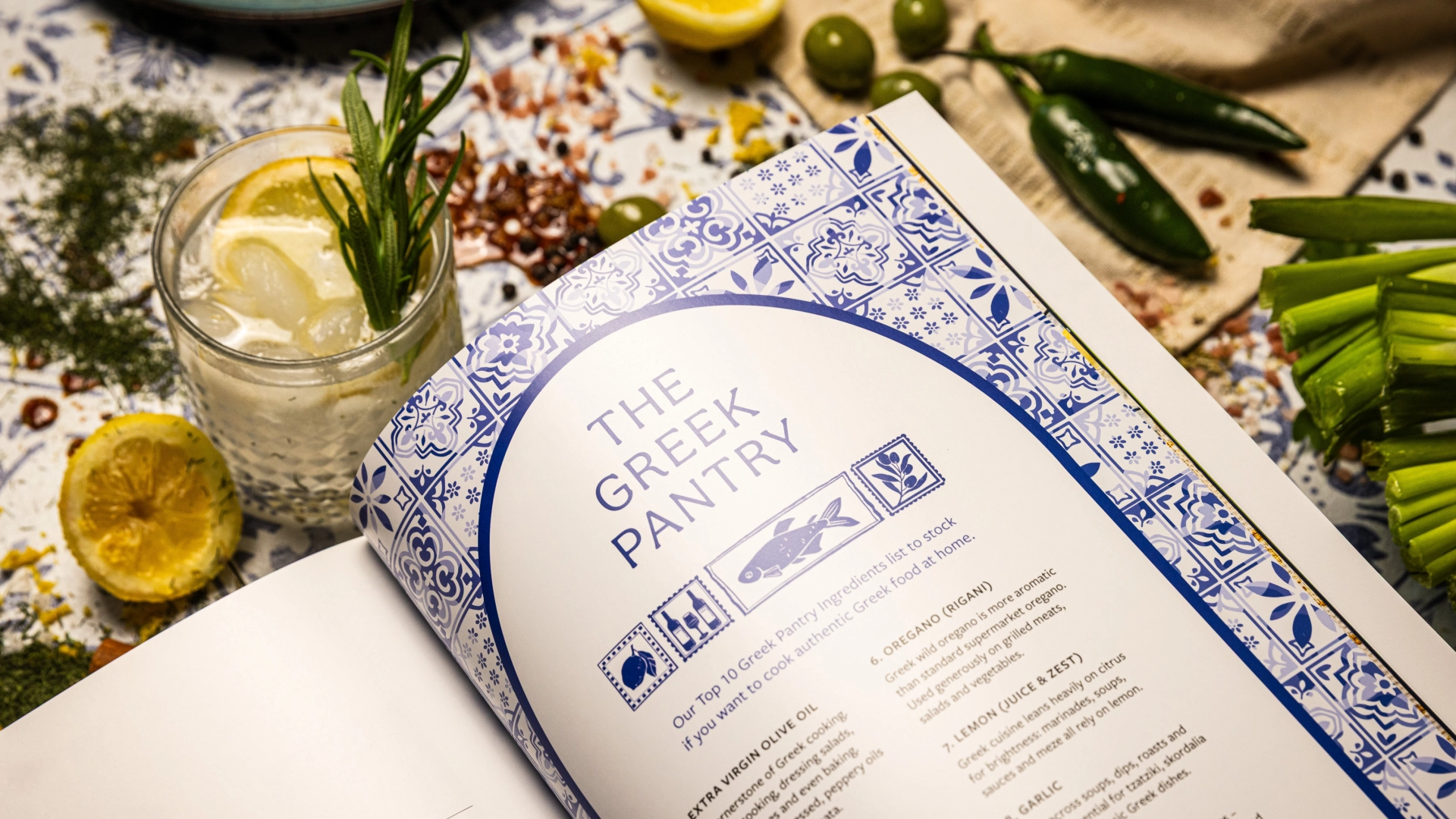
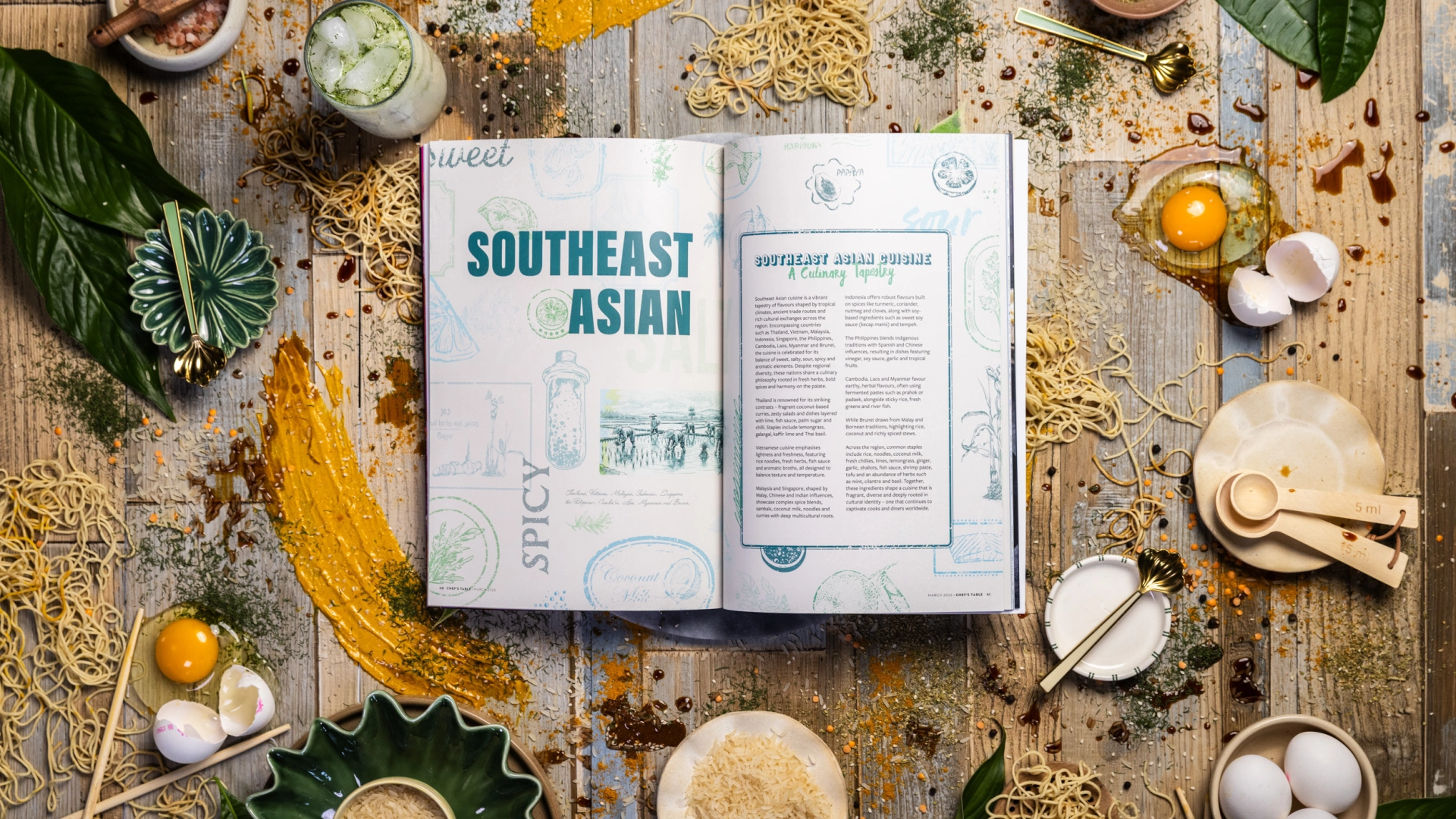
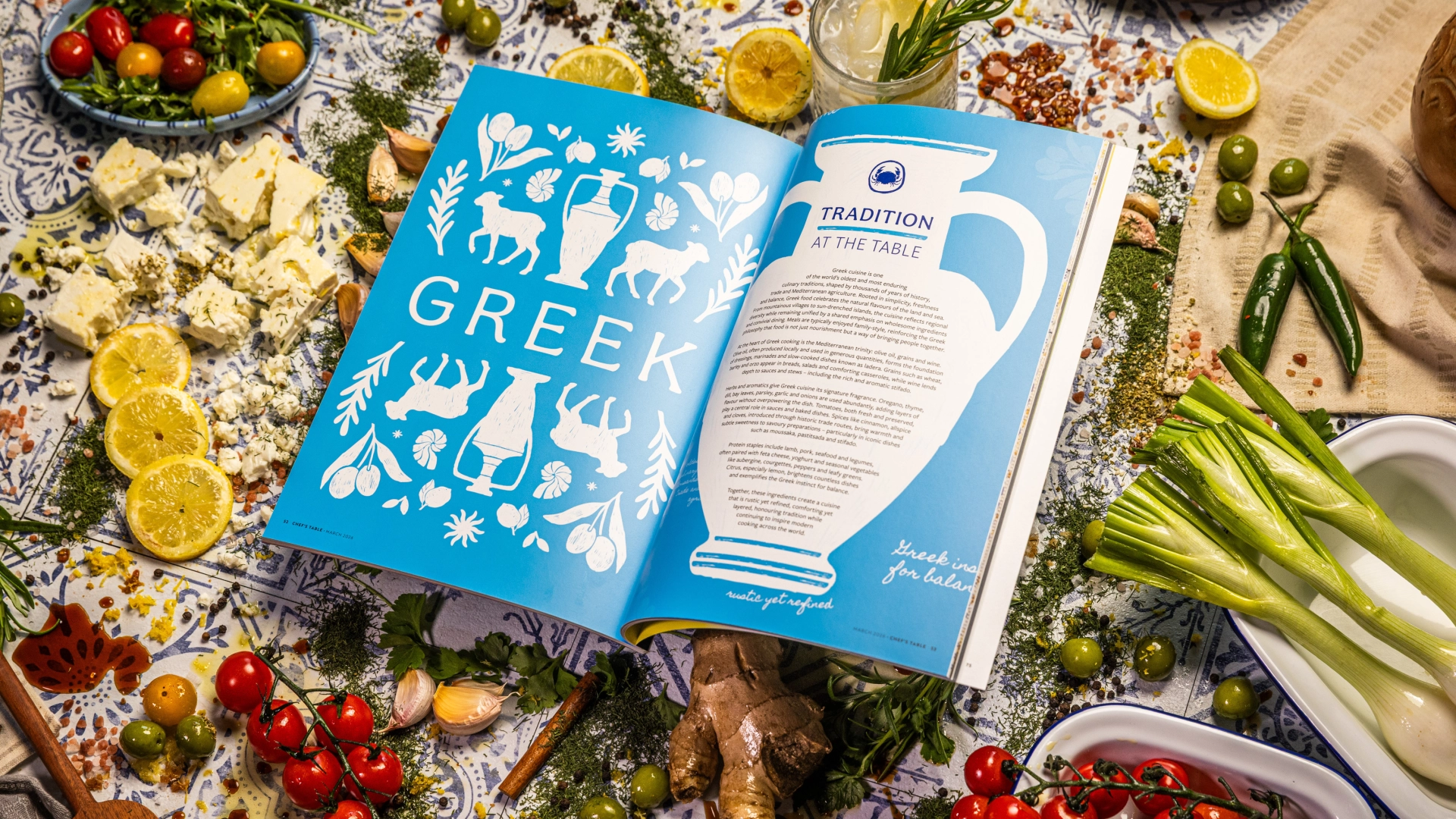
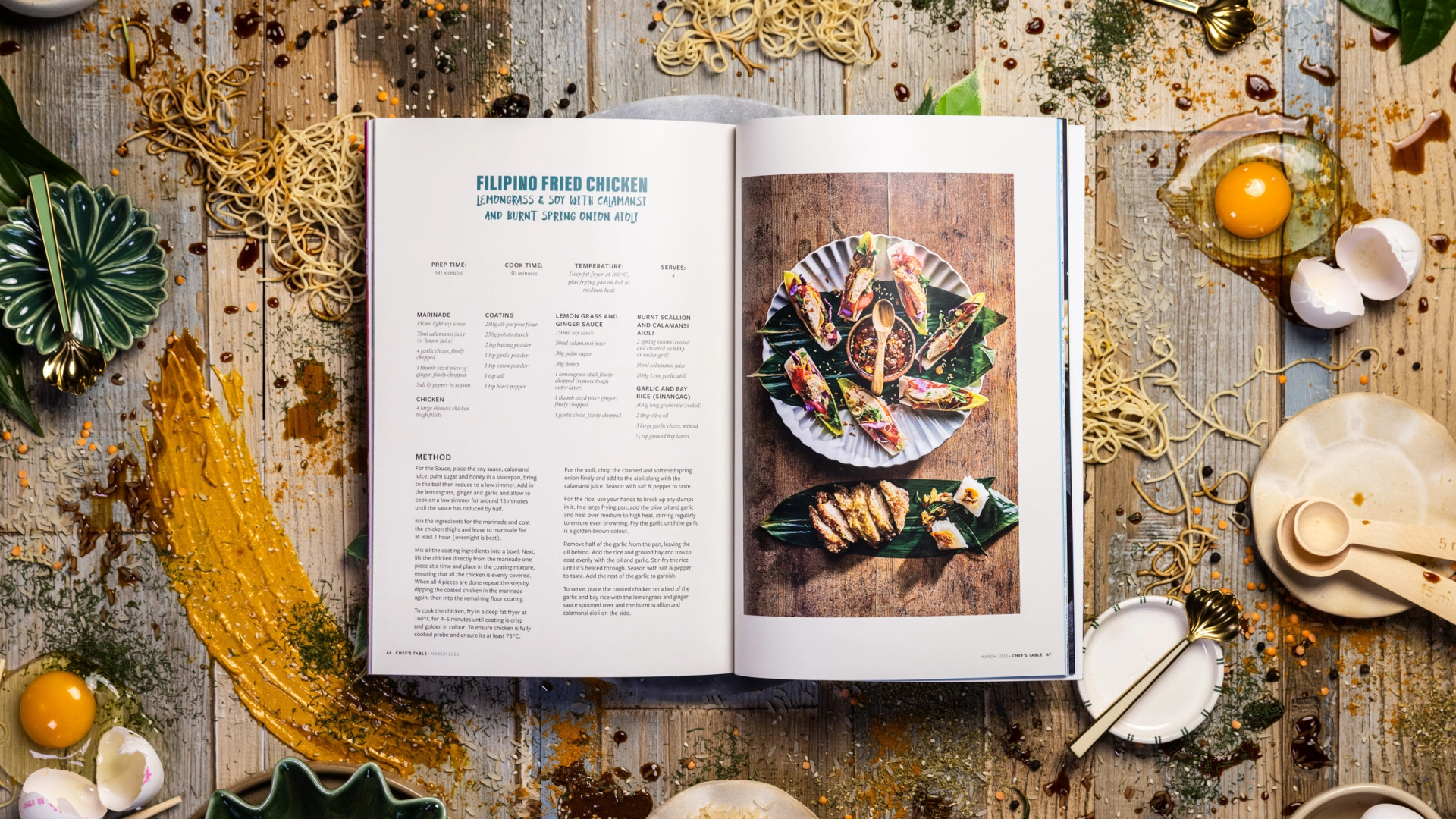
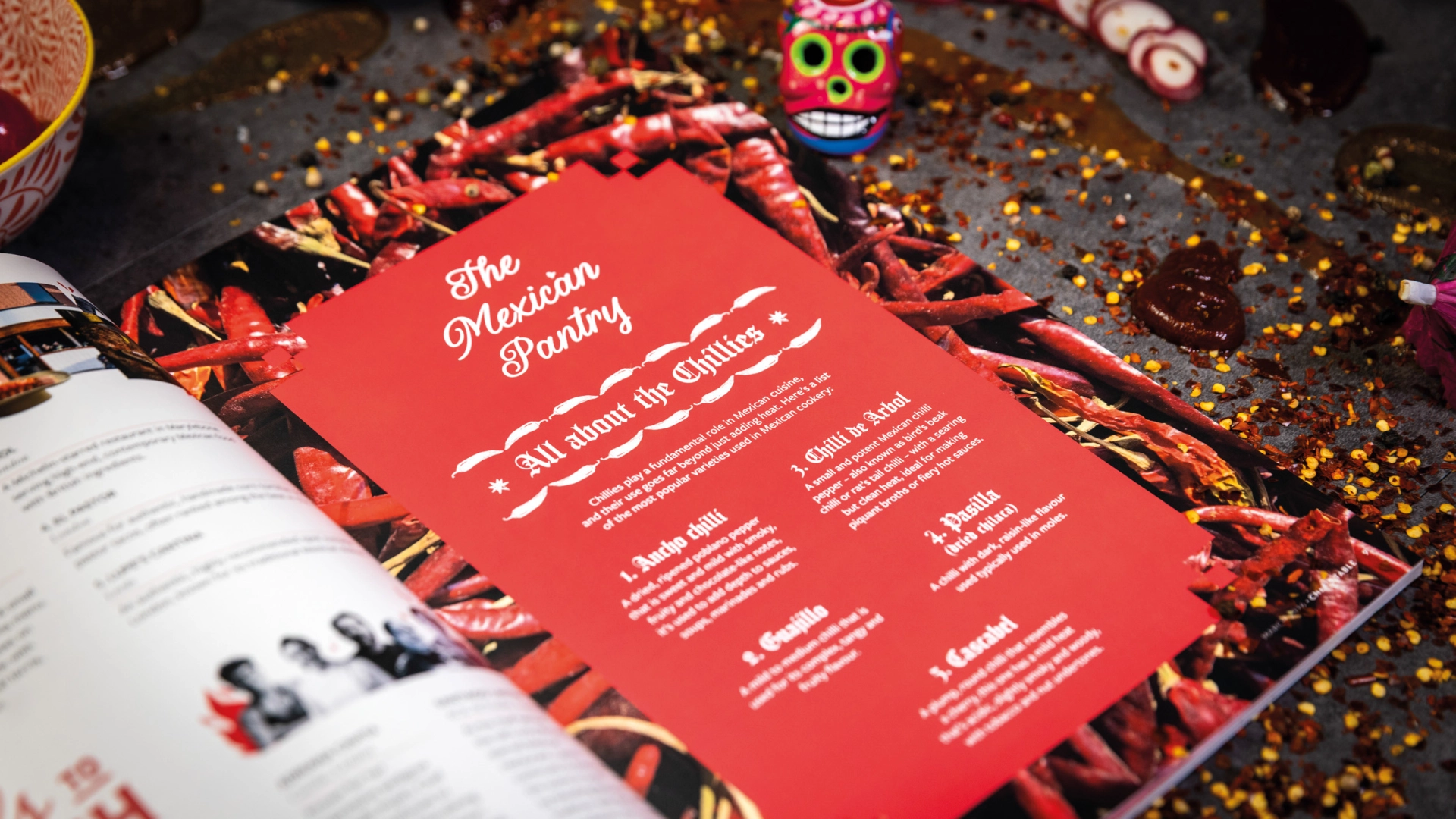
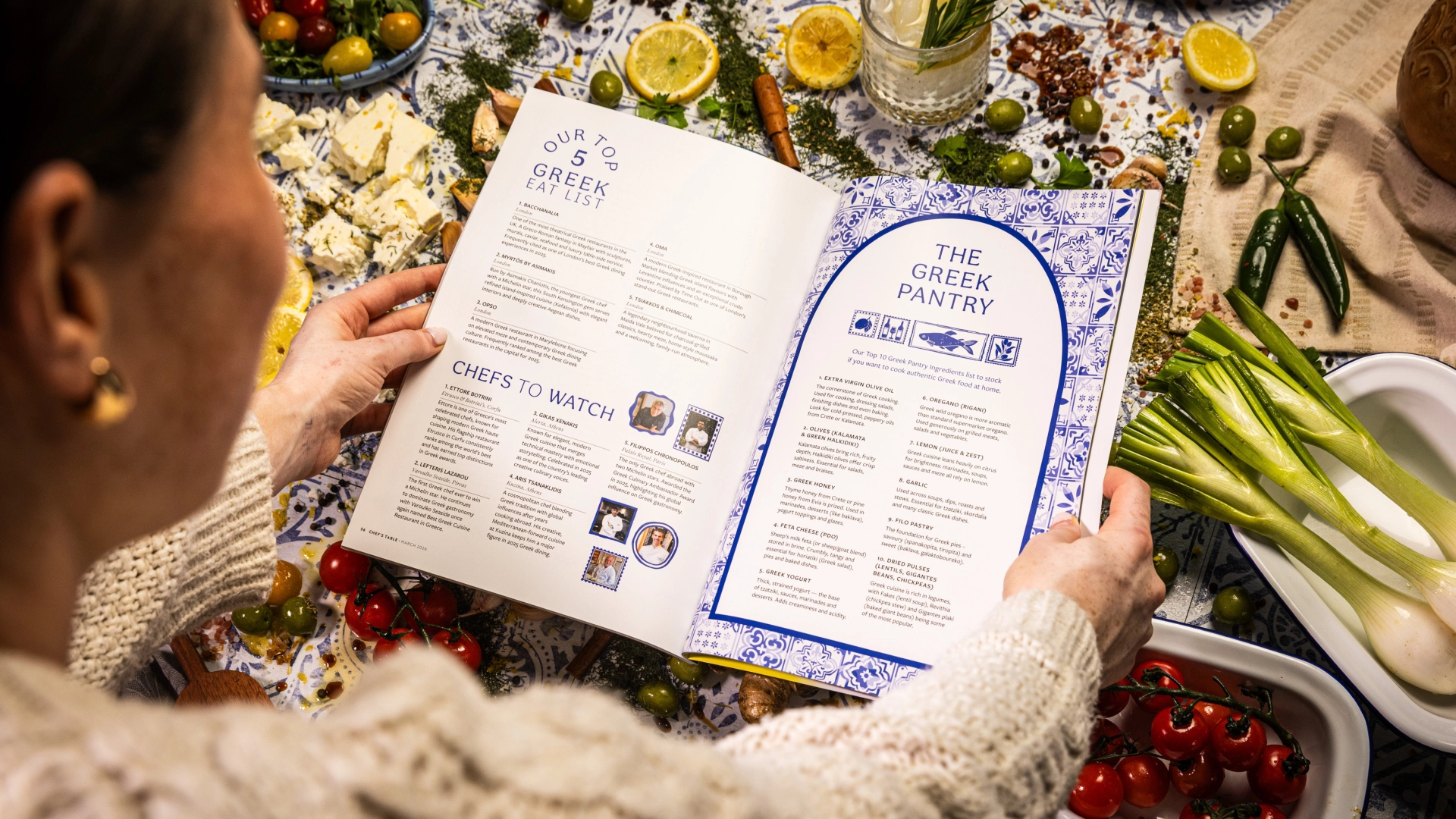
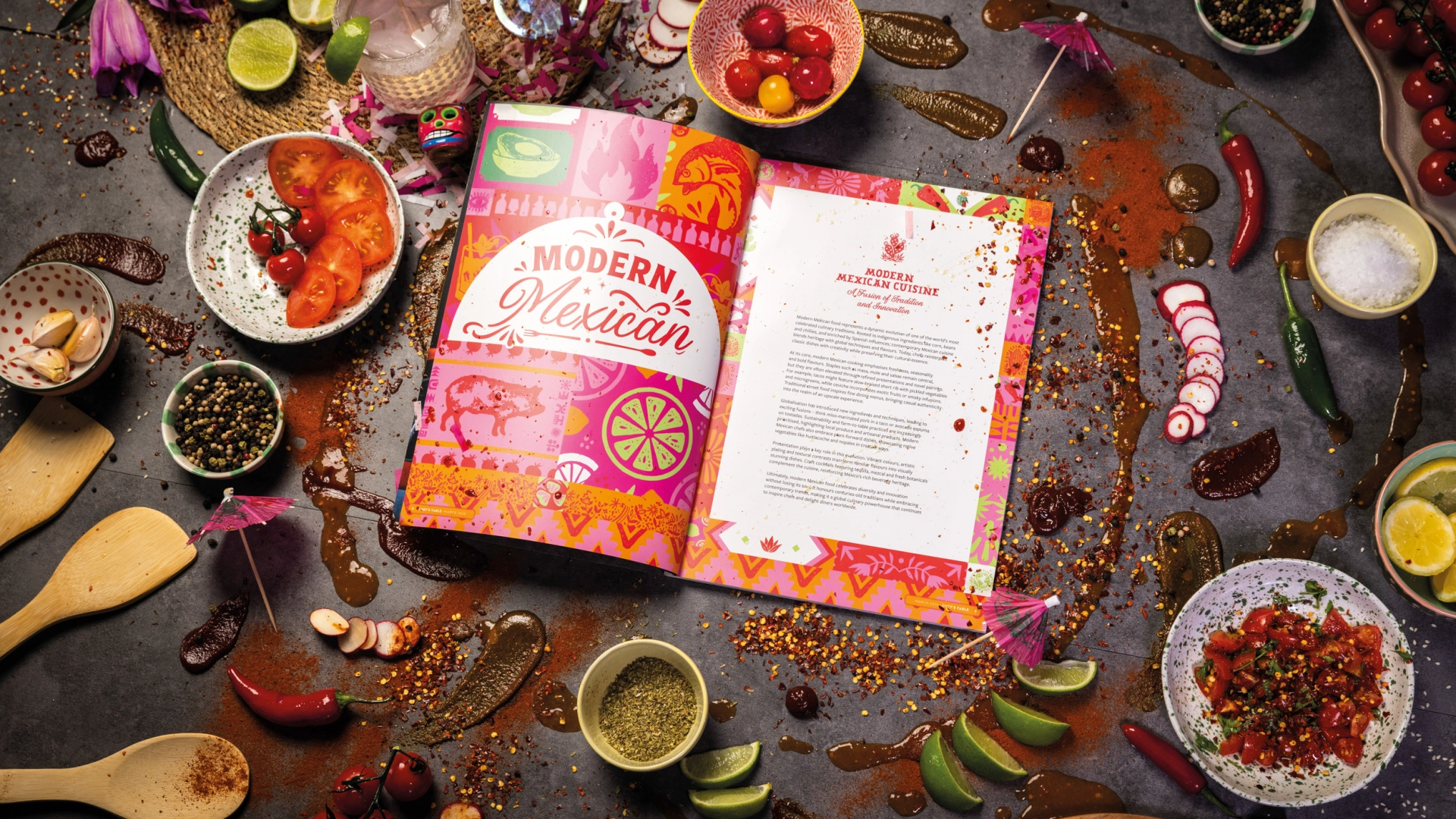
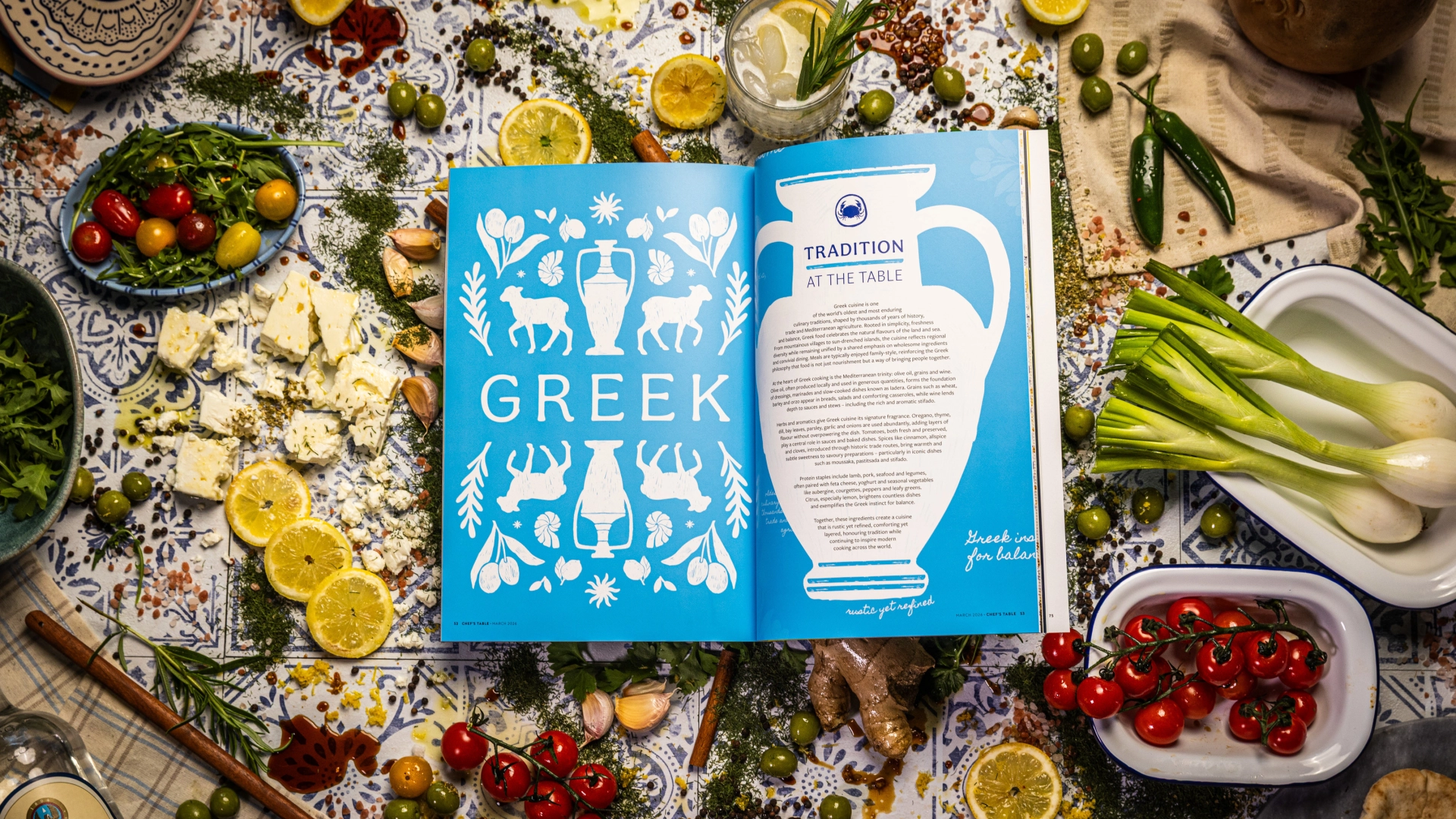
This issue of Chef’s Table moves the narrative into a more immersive, experience-led space - showcasing vibrant, colourful, and soulful dishes drawn from a rich spectrum of cultural cuisines, including Greek, Modern Indian, Modern Mexican, South East Asian, South Korean and Global Fusion.

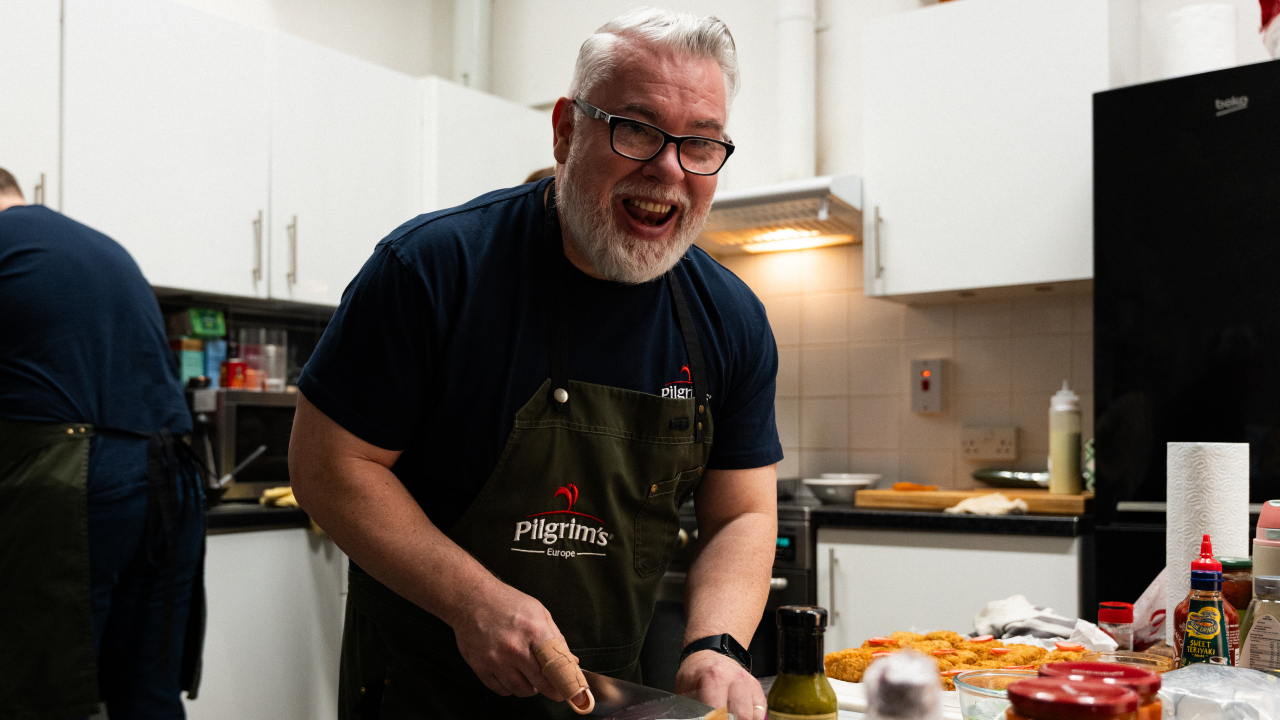
Working closely with Pilgrim’s Europe’s internal teams, including lead development chef Aaron Dixon, the content was shaped to reflect both culinary expertise and commercial relevance - ensuring the magazine resonates across audiences.

A distinctive layer of hand-drawn illustration adds depth and personality throughout. Inspired by cultural marks, emblems, patterns and expressions, these bespoke elements bring a unique identity to each chapter - reinforcing the Pilgrim’s chefs’ authentic appreciation and celebration of the cuisines featured.

A collaborative expression of taste

The success of Chef’s Table lies in the strength of collaboration. Through an iterative, insight-led process, Whitenoise translated Pilgrim’s Europe’s ambitions into a compelling editorial platform - one that captures not just what the brand does, but how it feels.

A clean, confident layout allows each cuisine chapter and every dish to shine, while typography balances editorial sophistication with accessibility. The pacing of the magazine encourages discovery - guiding readers through cultures, textures and flavours in a way that feels both curated and exploratory.

This second edition reinforces Chef’s Table as more than a magazine. It is a platform for storytelling, a tool for engagement, and a celebration of life in full flavour - reflecting a brand that continues to evolve, inspire and raise the bar.

0 N9 A9897

Insights from Pilgrim's Europe Head of Culinary and Product Direction, Aaron Dixon:


How has Chef’s Table evolved since the last edition?

Our first edition of Chefs Table was a celebration of all things festive. It was seasonally focused to educate and inspire feasting, party food and snacking occasions over the holiday season. Our newest edition brings a wider lens at looking at the key cuisine and ingredient trends that will be influential in our development across all areas of the Pilgrims Europe portfolio of products, proteins and brands.

What role does the magazine now play in communicating Pilgrim’s Europe’s food vision?

The magazine plays a really important role in communicating our food credentials and knowledge of relevant and influential global food trends that will both educate and inspire our teams right across the organisation. It helps continue to build our food culture while also supporting our customers needs to be kept informed and updated with the latest food and ingredient trends.

What trends or customer demands are shaping the dishes and ideas featured in this edition?

The trends and cuisines we have focused on, from modern takes on Indian and Mexican staples to the emerging popularity of the likes of Greek & Asian cuisines are all proving pivotal as trends that are driving our development and in turn the demand to deliver culinary excitement and ultimately delicious food to our customers.

How do you balance creativity with commercial practicality when developing content for the magazine?

The magazine is developed by our chefs with our primary focus on inspiration at the forefront of the content. We look far and wide for influence, from the chefs and restaurants making waves on our socials to using our global networks to bring key trends that we feel will be relevant to life. We have taken several lines from our publications over the years and commercialised them into products we have launched so the magazine certainly works as a vehicle to influence and launch new lines as well.

How would you describe the working relationship between your team and Whitenoise?

Our relationship is one that thrives on the challenge of developing something that we want to stand out as a best-in-class piece of work. There is always a wonderfully creative spark when the magazine is in its development stages with an anything goes approach to making each edition stand out. I love the enthusiasm from the team, it’s always a fun project.

Where do you see Chef’s Table going next?

This edition has just been shared across the complete JBS/Pilgrims organisation so we have already driven the reach significantly across our global food network. Next up we are looking at some videos/blogs to talk around the trends and bring some of the recipes to life for our social media pages.

We play a massive multi protein part in the BBQ space across the UK & IRL retail space so I feel a BBQ centric “Fire and Smoke” edition is essential. We look globally at BBQ trends and our chefs travel the world looking for inspiration so this is a must I feel for the edition – watch this space!

  • 0 N9 A0326 2500px

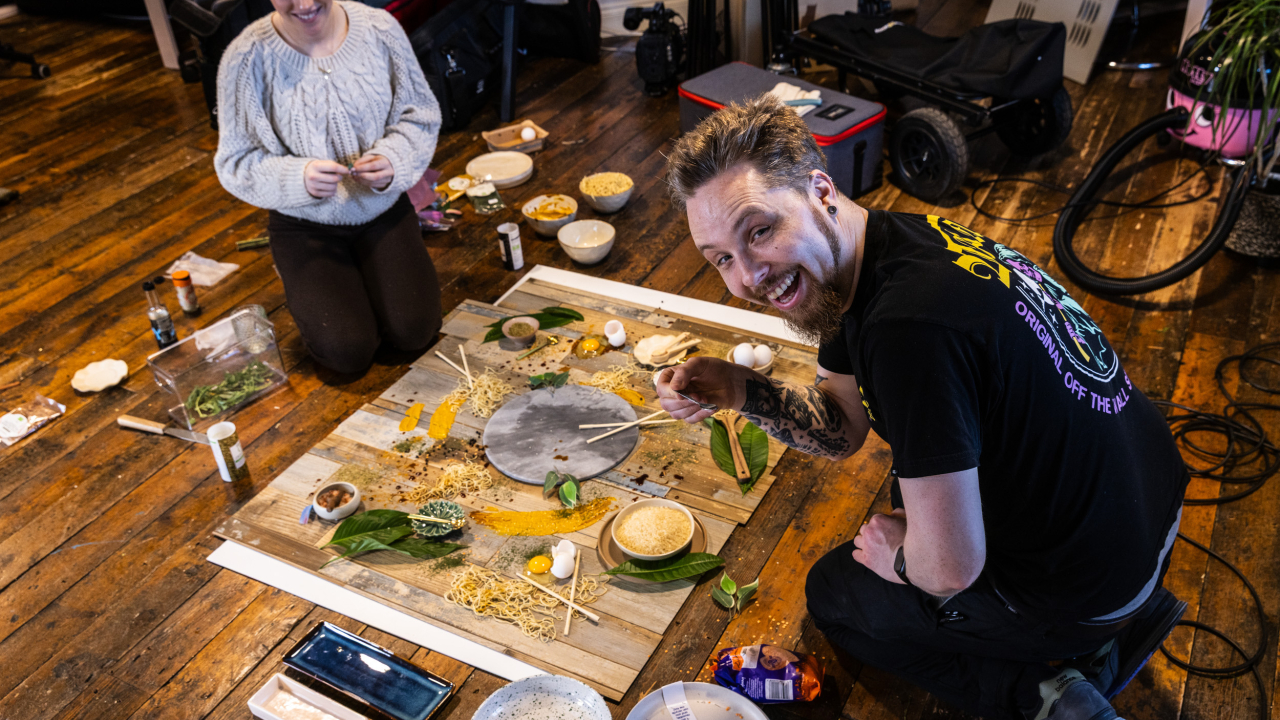
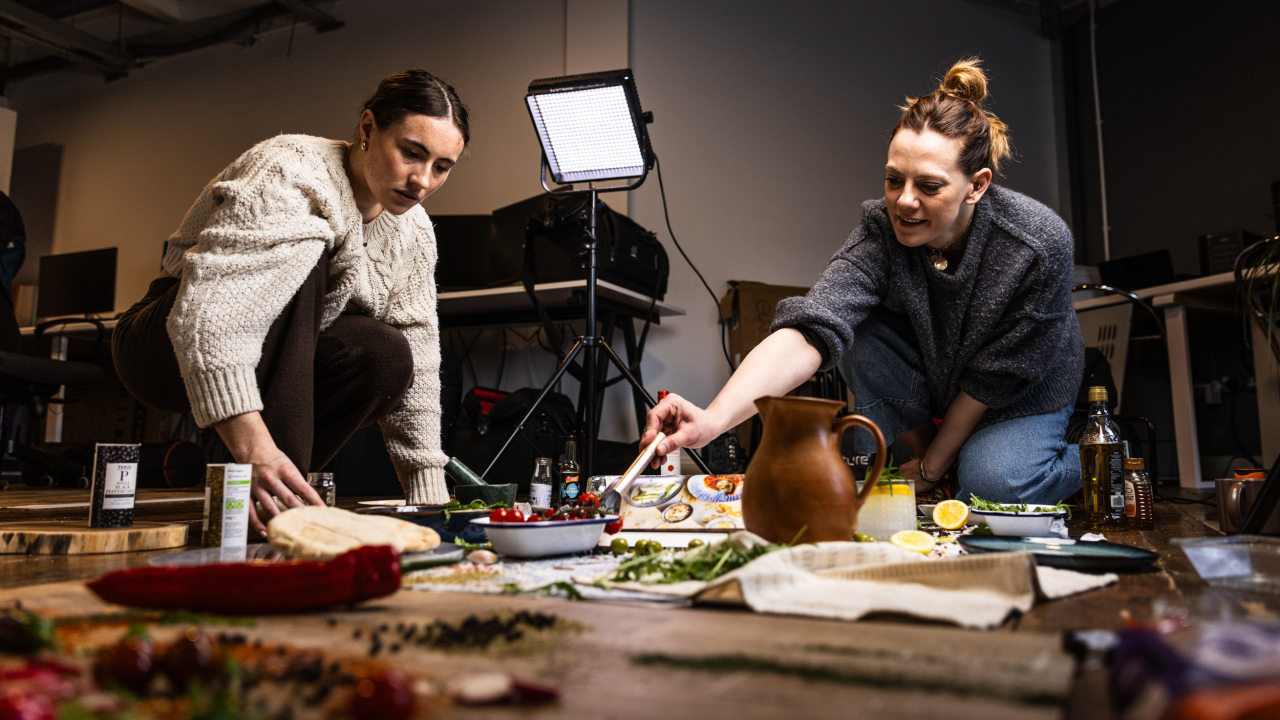
Insights from food styling and photography dream team, Karyn Booth and Sharon Cosgrove:


Karen: What considerations go into styling food for a premium, festive-focused publication like Chef’s Table?

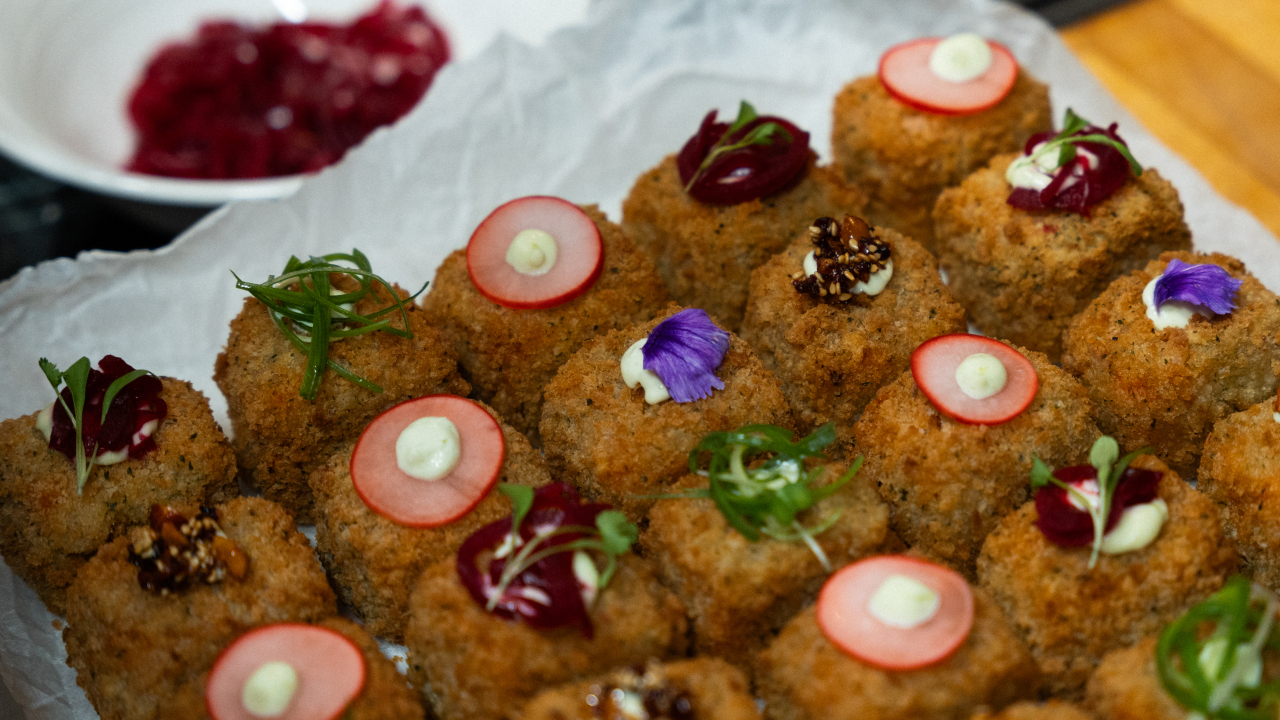
For me, it always starts with the food itself, it is important to not over-style it. Because it’s festive, there’s naturally a bit more richness and warmth in everything. You’re leaning into deeper colours, softer light, a sense of abundance, but still keeping it tasteful and not over the top.

We also think about how it all sits together across the magazine, there needs to be a consistency in tone while still letting each recipe have its own moment. It’s a lot of instinct as well. You’re constantly asking yourself, does this feel like something you’d want to sit down and eat? If the answer’s no, you pull it back or start again.

Karen: How do you work with Sharon during a shoot to ensure the food looks its absolute best on camera?

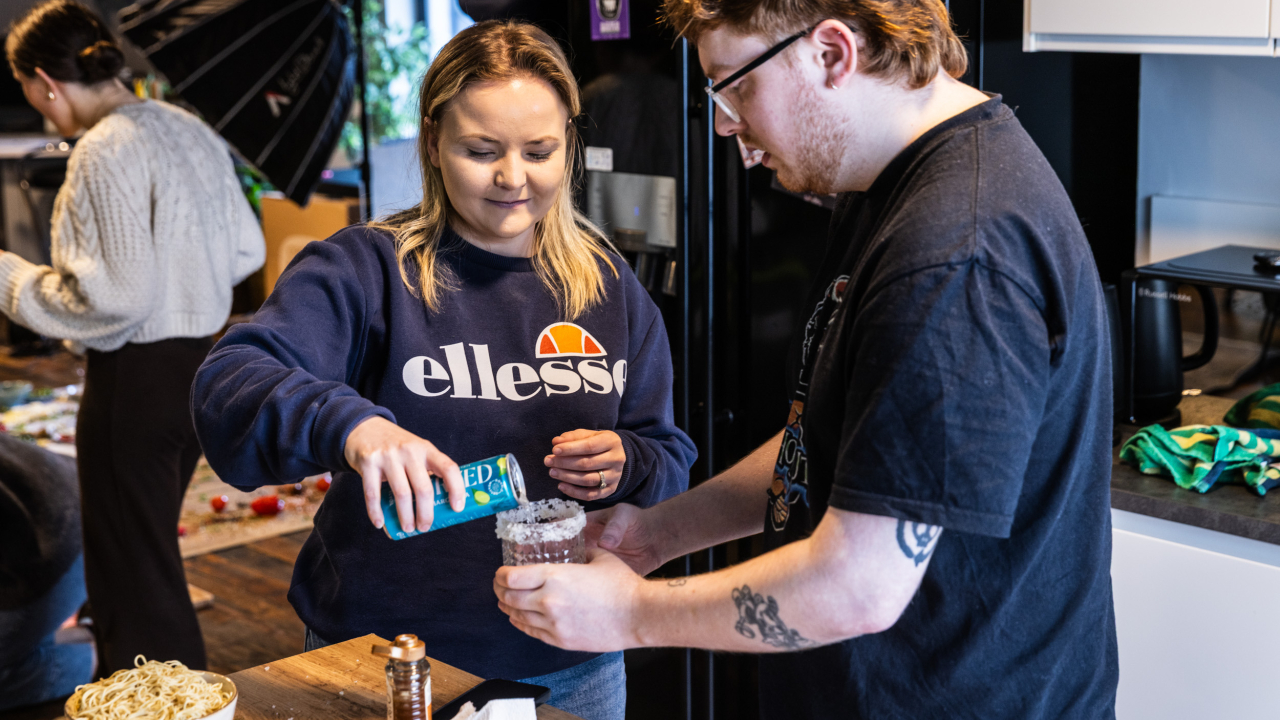
Sharon and I have worked together full-time for the last three years, but we’d been dipping in and out of jobs together for about seven years before that so at this stage, we almost know what each other’s thinking without saying it.

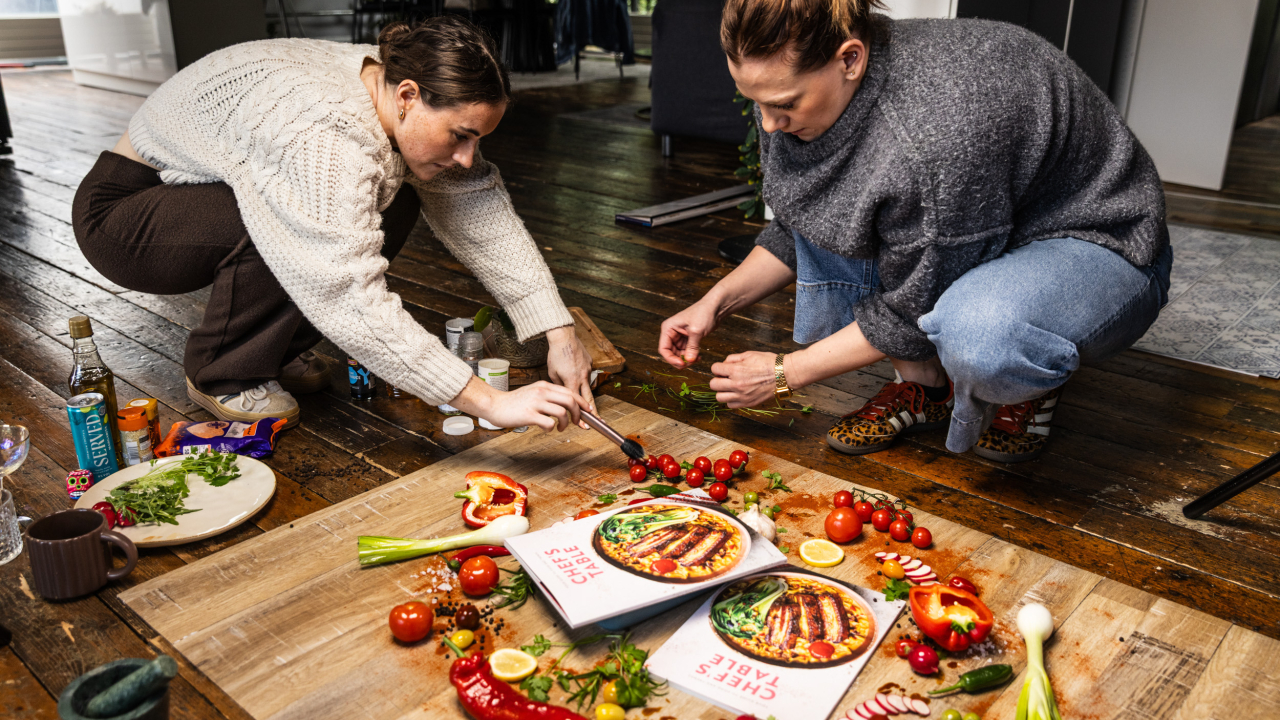
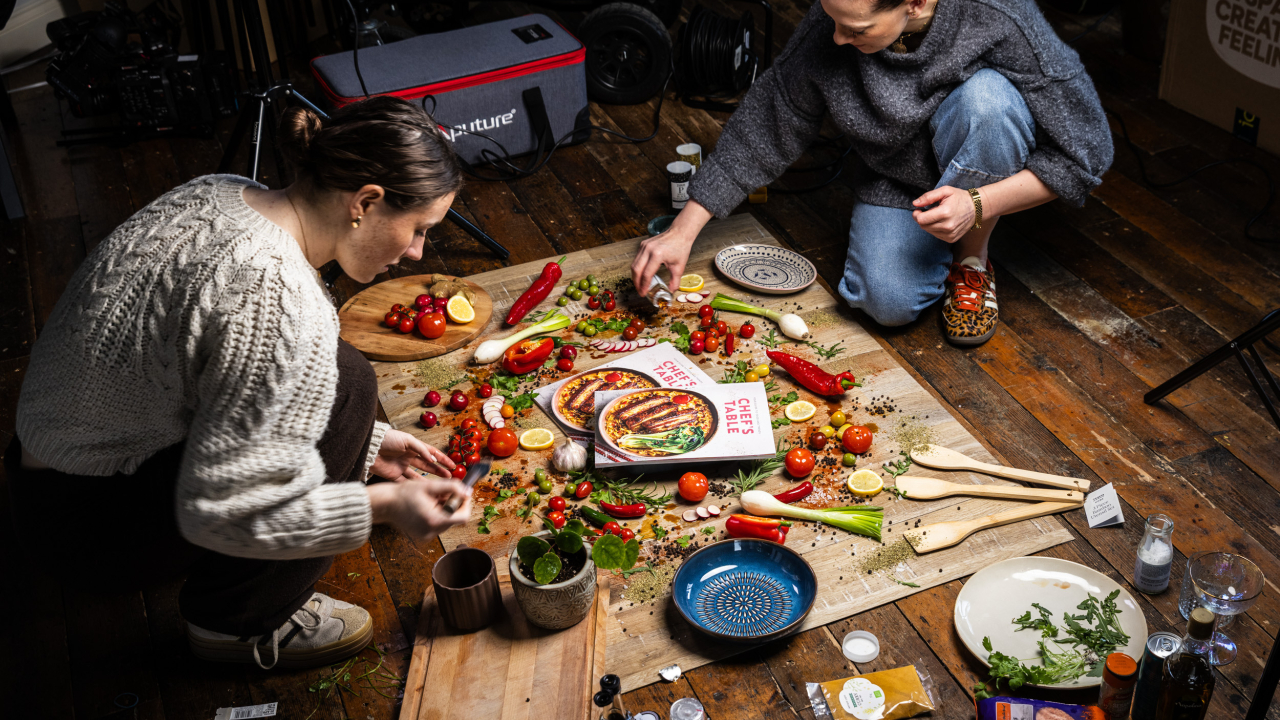
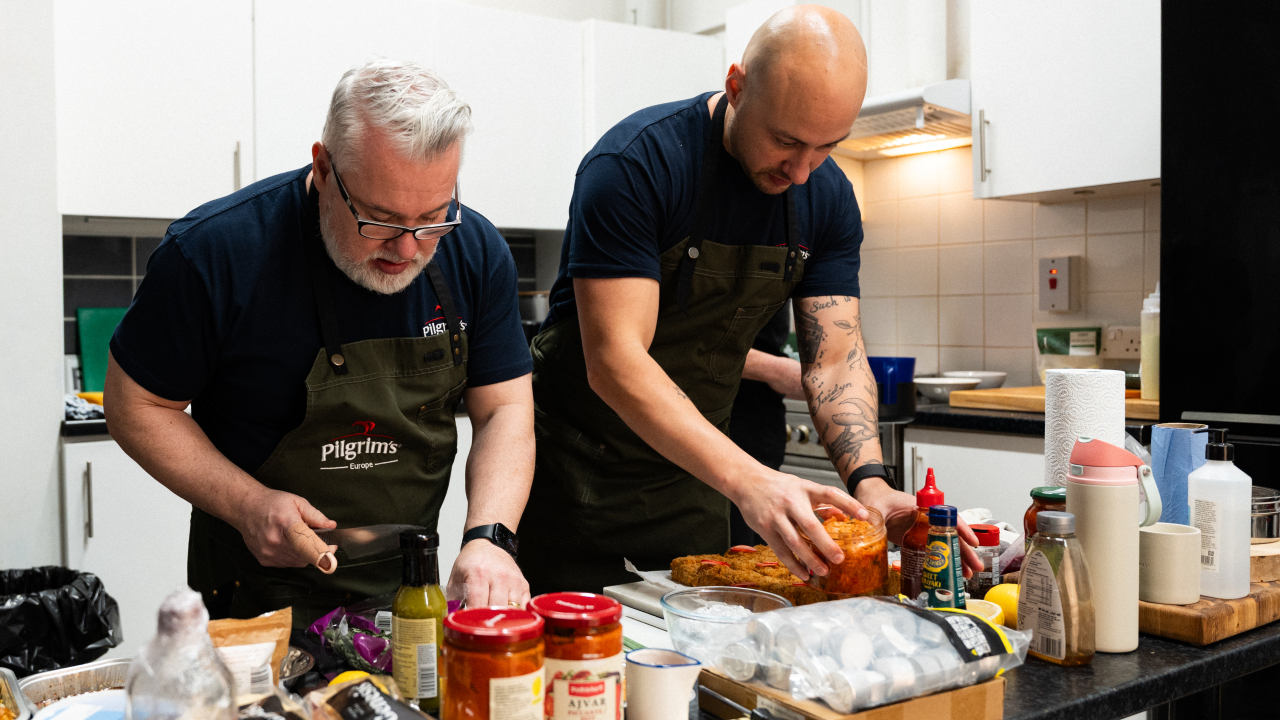
It’s very fluid when we’re shooting. I’ll be building the dish while she’s creating the light, and we’re constantly tweaking things together but those little changes make all the difference. There’s a lot of trust there. I know how she sees things through the lens, and she knows how I’m thinking about the food. So it never feels forced it just kind of comes together naturally

Karen: Were there any particular props, textures, or styling techniques that helped elevate the overall aesthetic?

The trends and cuisines we have focused on, from modern takes on Indian and Mexican staples to the emerging popularity of the likes of Greek & Asian cuisines are all proving pivotal as trends that are driving our development and in turn the demand to deliver culinary excitement and ultimately delicious food to our customers.

Karen: How do you strike the balance between visual perfection and maintaining a natural, organic feelig to the layout?

That’s probably the biggest part of the job, to be honest. You want it to look beautiful but the second it starts to feel too perfect, you lose the appetite. Nobody wants to eat something that looks overworked. So we’re always adjusting.

A lot of it comes down to knowing when to stop. There’s a moment where the dish looks its best, and if you keep going past that, you actually lose something.


Sharon: How do you balance making food look aspirational and premium while still keeping it authentic and appetising?

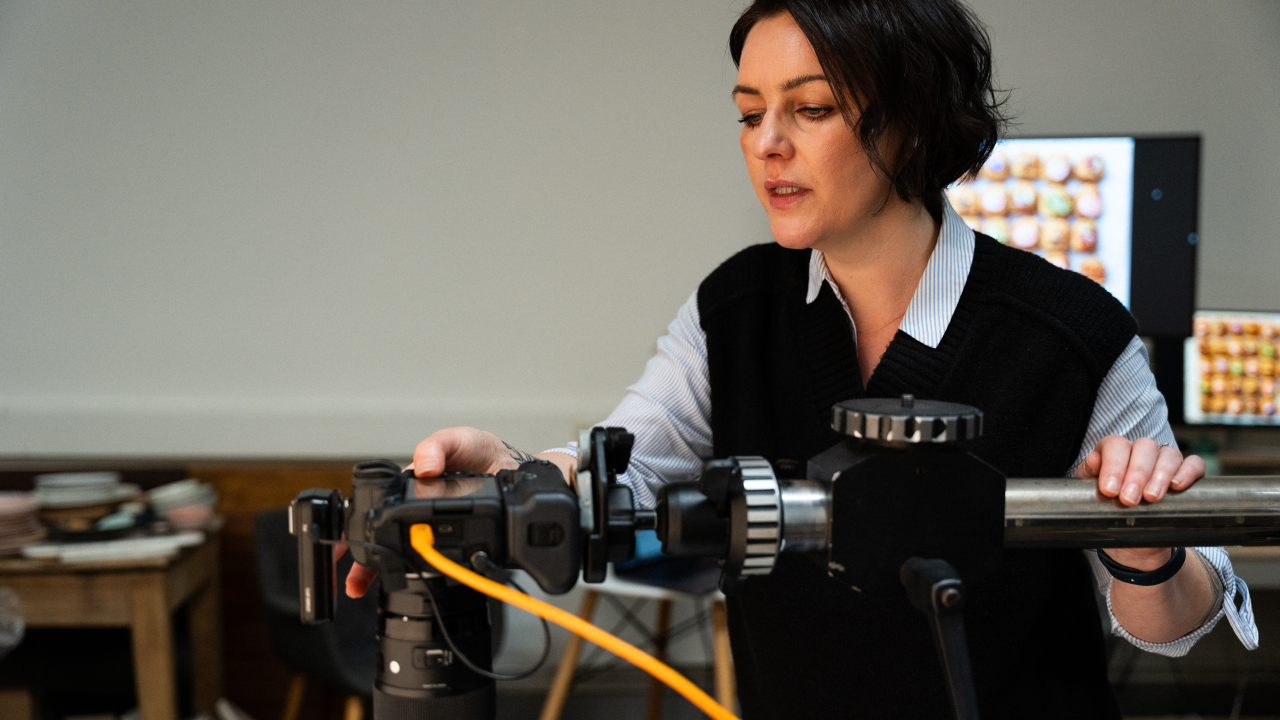
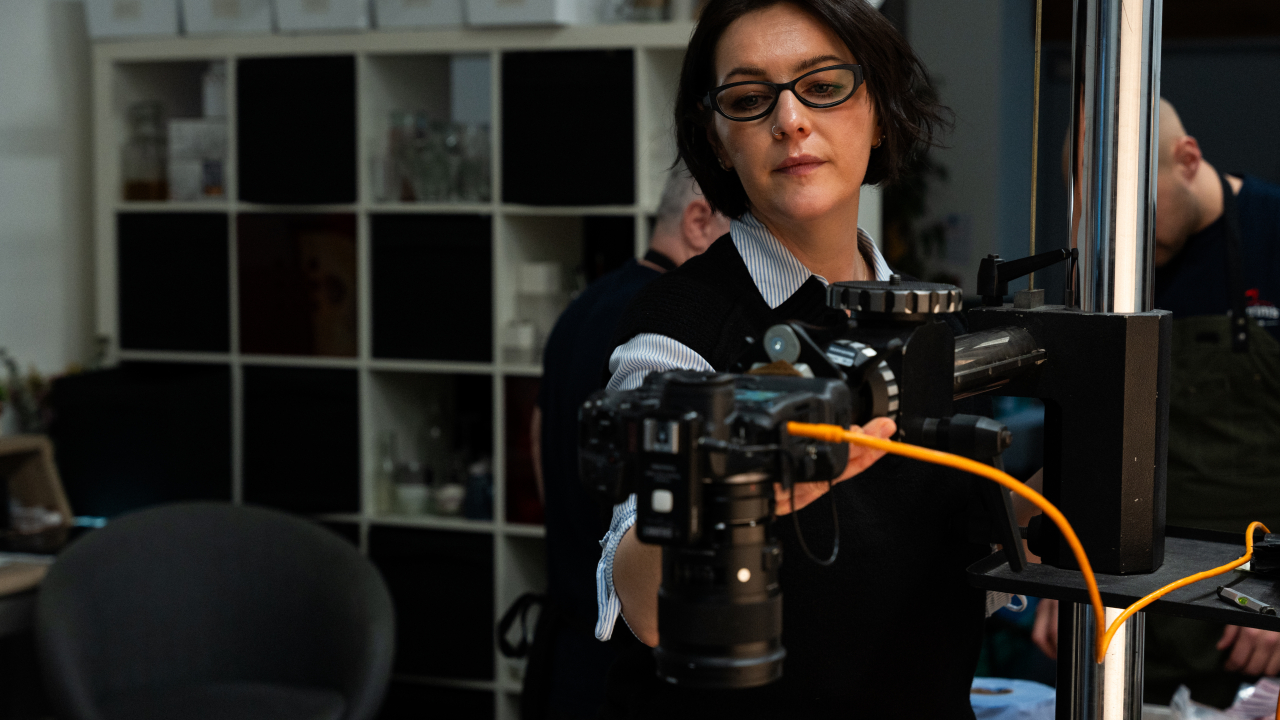
It’s definitely all about light and creating a mood, taking the viewer on a journey. That’s when they feel inspired and their mouth starts to water! That subtle highlight on a glossy thick sauce or introducing shadow to enhance texture. Looking premium comes with the right techniques used in camera, choosing the right lens, aperture, and not overdoing it in the edit. Authenticity relates back to the styling, letting crumbs fall, drips drip and allowing the food the perform like real food.

Sharon: How does this project compare to other food shoots you’ve worked on in terms of creative ambition, teamwork and process or execution?

There’s a lot of planning and organisation that go into every shoot but for a project like this there’s the additional element of design and overlaying text and recipes onto the images. That all needs to be considered ahead of time and it really forces you to think about every little crumb, fork or herb placement as it may interfere with something.

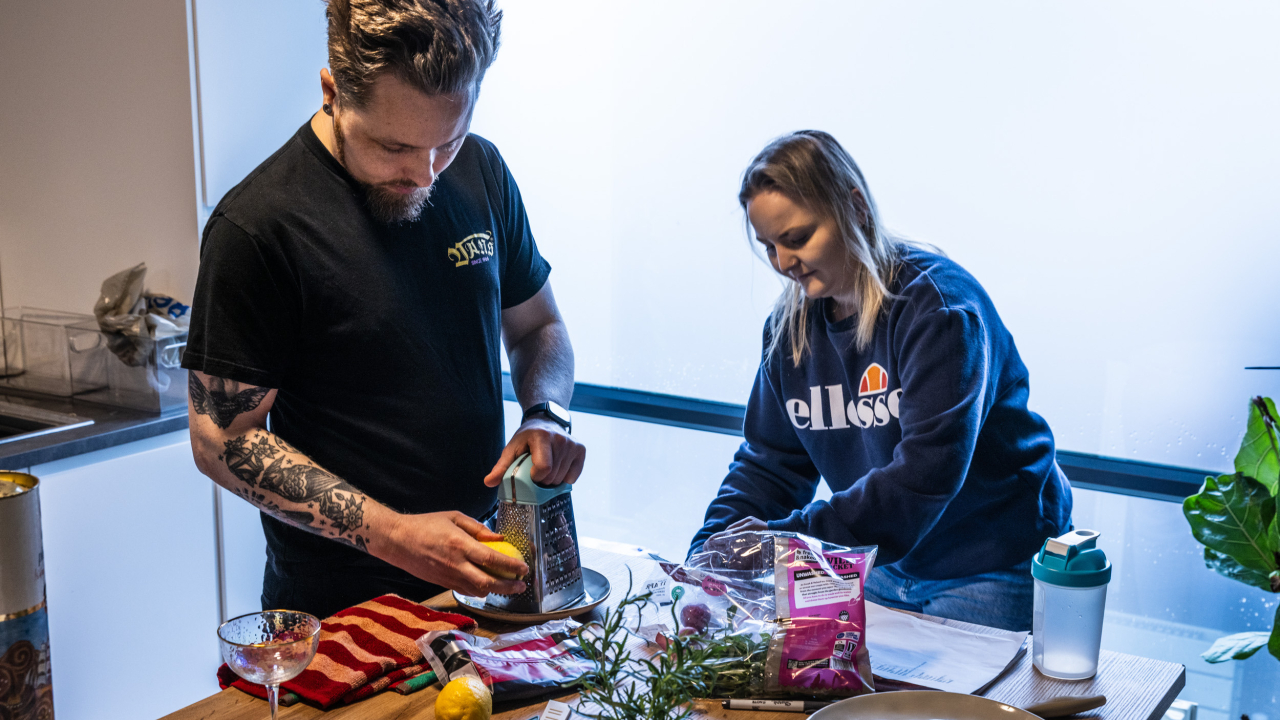
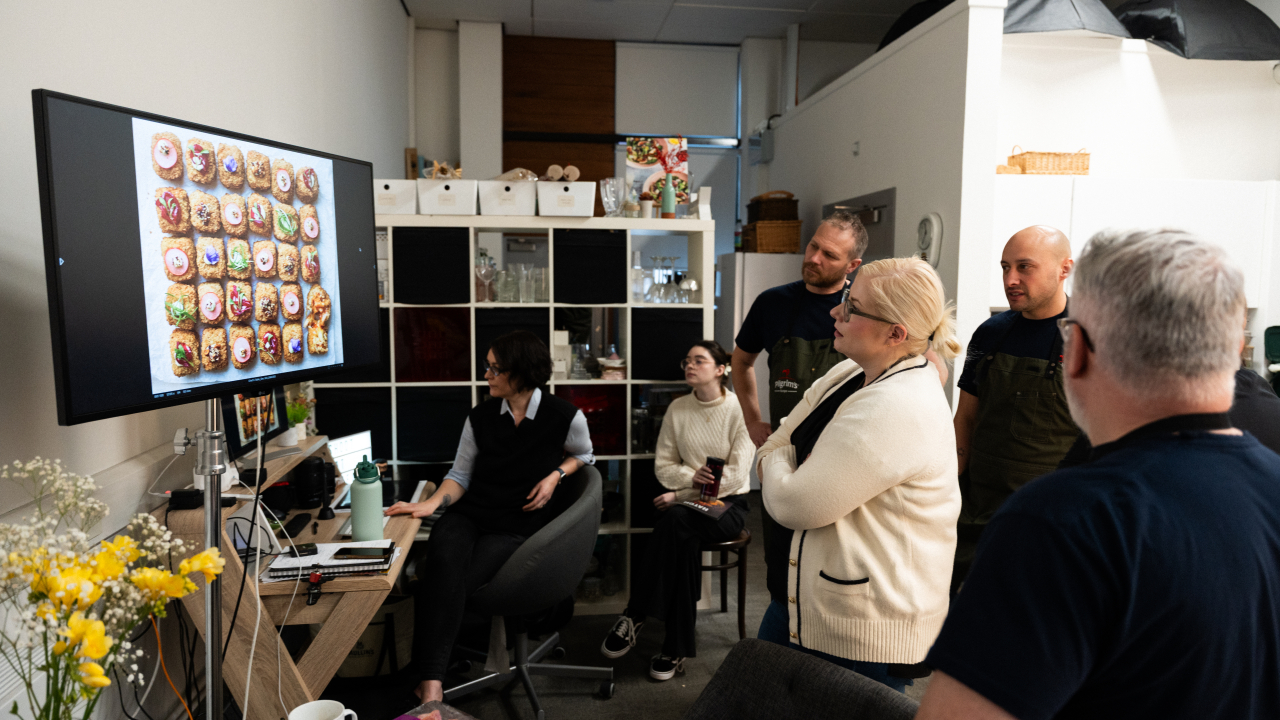
This level of detail enhances creativity, pushing you to think carefully about every element in the shot. Aaron and his team bring strong ideas, offering plenty of inspiration. Whitenoise builds a clear deck with styling direction, colour themes, and layout, helping shape each shoot. Karyn then expertly arranges the food on set. Shooting tethered allows for instant review, so we can refine as we go. It’s a fully collaborative process, driven by shared energy and creativity.

Sharon: In your view, what makes a food image truly compelling in a high-end editorial context like Chef’s Table?

For an editorial like Chefs Table, every image although individual has to work together and look like they belong as a set. Variety is also important, choosing a mix of angles, styling, colour palette, texture, light and lenses all matter when it comes to making a compelling image to keep the viewer interested and wanting more - which of course is the ultimate goal with any food image. To make something look ‘high end’ comes down to the skill set of those involved - from how the dish is prepared for set, the arrangement of food on the plate and the final decision making of enough herbs, enough props or enough editing. Knowing these things comes with experience but also instinct and the team I worked with on Chef’s Table have plenty of both - that’s what makes the final results work so well.

Sharon: What challenges come with shooting for a publication like this, and how were they overcome as a team?

I have worked with this team for so long now that it feels like we are all in complete harmony! We all know our roles instinctively and the part we have to play in the shoot. So from my perspective the only real challenge comes from keeping everything on time, there’s a lot to get through on the shoot days and timing is everything to make sure we hit the mark. Planning is key, we have pre production meetings on the recipes, the props we will use and styling, right down to the angle we are going to shoot at for each individual dish.
Project insights from Whitenoise Production Manager, Adam Peters:


In a project with so many moving parts, how do you maintain both creative quality and efficiency?

Having a great team on the project makes this a very easy task. Every individual knows what their role is and what they need to do to make the project a success. We hold each other accountable to quality and work ethic. We know the importance of the work for the client who has pulled a lot of strings, including budgets in order for the project to go ahead. We owe it to the individual leading the project and our client to have a final product that is of the best quality.

How important is attention to detail when managing print production and distribution at this level?

Attention to detail a key priority when managing a project of this size. Even with a clear plan we are still met with text and copy issues. It is important that the design team and I understand what’s required and flag anything that needs client attention when we supply the first draft design to them. While final sign-off comes from the client, we play a crucial role in delivering a print-ready document. If anything is missed or incorrect can lead to costly reprints, so thorough proofing is vital!


What does a successful project look like from your perspective?

From my perspective, success means giving the client the smoothest possible experience. Clear communication is vital. We aim to resolve issues and bring solutions, which helps that experience.

Positive feedback on the first draft is a strong start, then we stay focused on any amends needed to reach the final sign-off. When PIlgrim’s praise Aaron on the magazine, it shows that we have done our job correctly. 

Recieving feedback that the design has been well received by Pilgrims Europe senior leadership in London and the magazine being called “the best one yet,” is the clearest sign we’ve delivered a successful outcome, and everything I strive for!

  • 0 N9 A0122 2500px
  • 0 N9 A0177 2500px
  • 0 N9 A0346 2500px
  • 0 N9 A0034
  • 0 N9 A0256 2500px
  • 0 N9 A0331 2500px
  • 0 N9 A0051
  • 0 N9 A9867
  • 0 N9 A0299 2500px
  • 0 N9 A0019
  • 0 N9 A0322 2500px
  • 0 N9 A9900
  • 0 N9 A0295 2500px
  • 0 N9 A0251 2500px
  • 0 N9 A0064
  • 0 N9 A0127 2500px

Ready to bring your brand to life in full flavour? Partner with Whitenoise to create bold, impactful work. 

Reach out at info@whitenoisestudios.com to start your next project.

0 N9 A0092 2500px
0 N9 A9654 2500px
0 N9 A9782 2500px
0 N9 A0228 2500px
0 N9 A9819 2500px
0 N9 A9668 2500px
DSC08435
DSC08853
DSC09088
DSC08411
DSC08525
DSC08753